

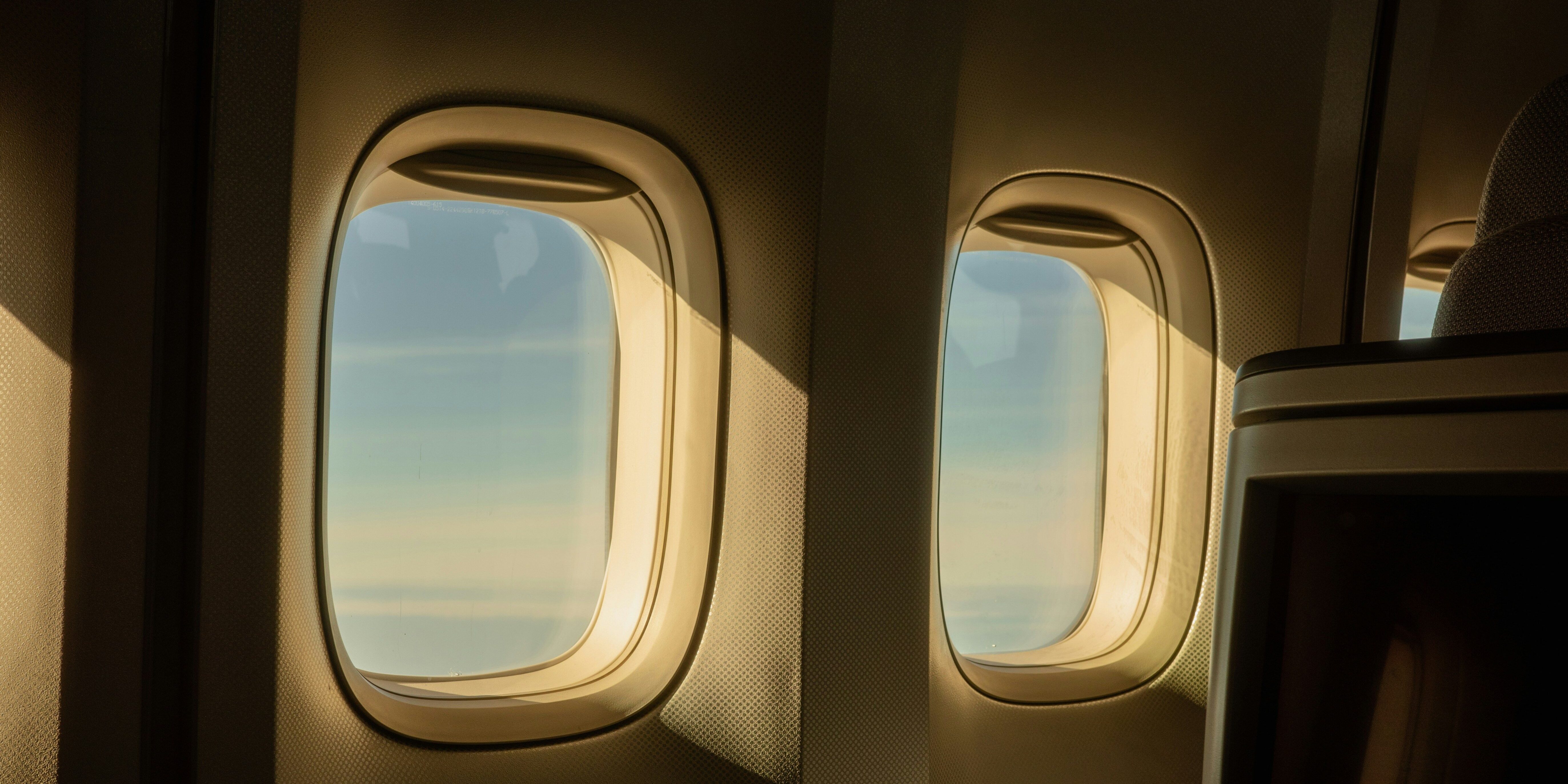
One of the most well-known rules for airline passengers is the requirement to have their seats in an upright position during takeoff and landing. This strict guideline may seem minor to some, but it is a crucial safety measure designed to mitigate risks during the most critical phases of a flight.
Key details
The primary reasons for having seats upright relate to both passenger safety and aircraft efficiency. When an airplane is in its takeoff or landing phases, it is particularly vulnerable to incidents such as turbulence, unexpected changes in altitude, or emergency situations requiring a quick evacuation. In these moments, passengers must be in a position that allows for both maximum safety and optimal access to emergency exits.
An upright seat allows passengers to brace themselves in the event of sudden deceleration or impact. It also ensures that their safety belts are more effective while providing clear access to the aisles. If seats were reclined, the likelihood of serious injury during turbulence increases, as passengers could be thrown against other seats or become entangled in seat belts. Moreover, the compact configuration of airplane cabins means space is at a premium. Full vertical positioning not only minimizes the risk of crowding but also allows swift egress if an evacuation is necessary, expediting the process for both passengers and crew.
Why this matters
The requirement for upright seats during critical flight phases acknowledges the reality that aviation accidents, though rare, do occur, and preparations for such incidents are paramount. It reflects the airline industry’s commitment to passenger safety and regulatory compliance. Regulations from aviation safety authorities around the world—like the Federal Aviation Administration (FAA) in the United States—mandate these measures, thereby ensuring standardization across various airlines and fostering safer travel environments.
In addition to safety concerns, the upright seat rule can also enhance the overall experience for all passengers on board. It increases the space available during takeoff and landing, leading to a less cramped cabin environment. This is particularly significant on short-haul flights where the duration of these phases can take up a considerable portion of the travel time. By minimizing discomfort and enhancing safety, airlines not only protect their passengers but also improve customer satisfaction.
Broader picture
The adherence to upright seating regulations is just one facet of a broader safety culture that permeates the aviation industry. Regular training programs for flight crews, ongoing aircraft maintenance, and stringent compliance with safety protocols work in conjunction to create a robust safety net for air travel. As technology advances and the aviation landscape evolves, these regulations may face scrutiny and potential adaptation, yet the importance of passenger safety will remain a non-negotiable priority.
In summary, while the requirement for upright seats during takeoff and landing might seem like a minor inconvenience, it embodies a critical safety approach in aviation. This practice is a testament to the airline industry’s ongoing commitment to ensuring that air travel remains one of the safest modes of transportation available. As we continue to travel the skies, understanding the reasoning behind these protocols can enhance our awareness and compliance, ultimately contributing to a safer flying experience for everyone.
Original Source: https://www.cntraveler.com/story/why-do-airplane-seats-have-to-be-upright-for-takeoff-and-landing