
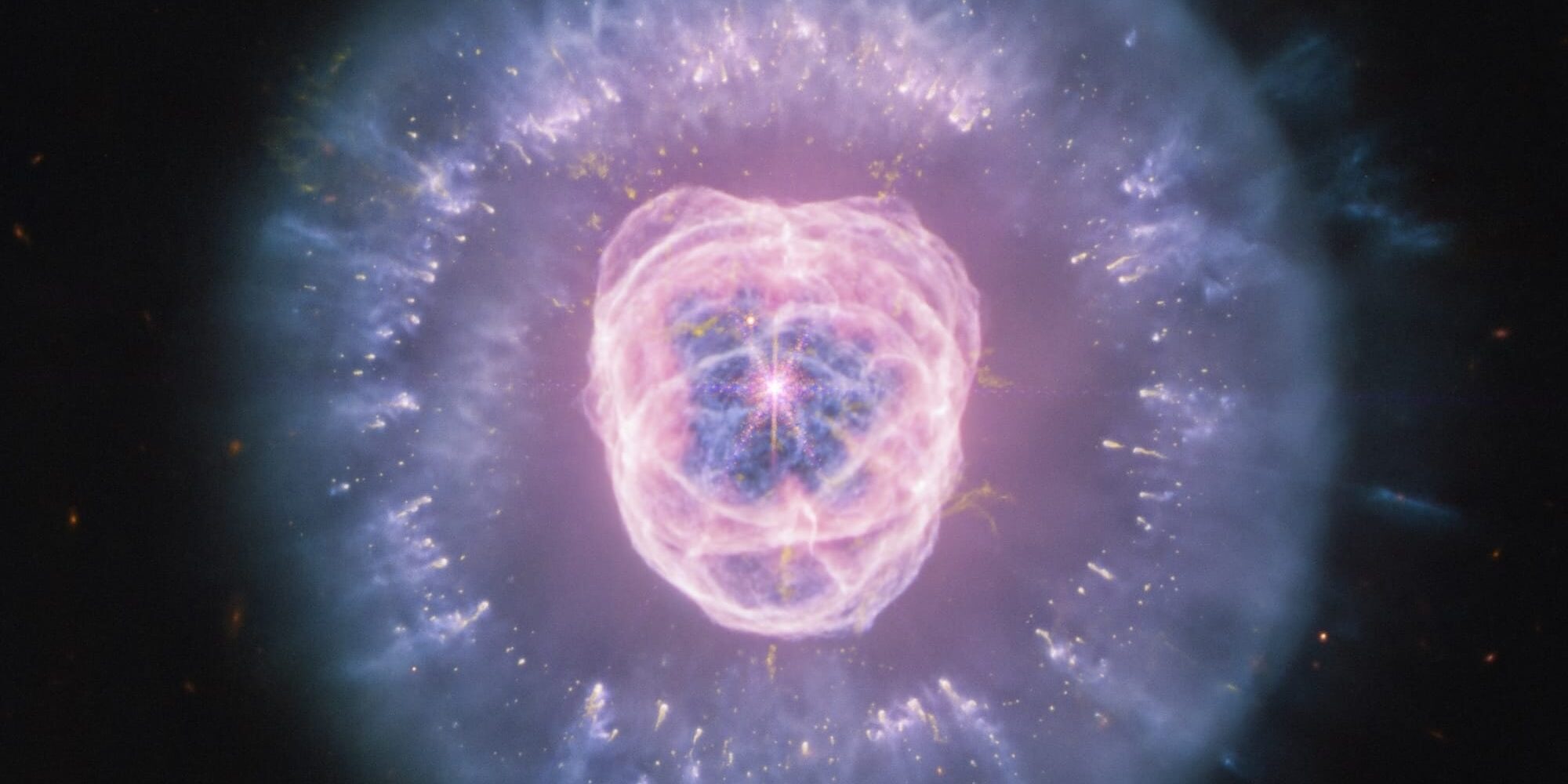
The Lion Nebula, an enchanting stellar nursery located approximately 1,300 light-years away in the constellation Leo, has recently captivated astronomers and space enthusiasts alike with its breathtaking new portrait captured by the James Webb Space Telescope (JWST). The telescope’s advanced capabilities allow it to reveal intricate details of this cosmic spectacle, shedding light on the processes of star formation and the chemical makeup of the universe.
What happened
The JWST provided an unprecedented look at the Lion Nebula through its powerful infrared imaging capabilities. This nebula features a vibrant mix of gas, dust, and luminescent stars, showcasing various colors that signify different elements and temperatures. The observations were part of an ongoing mission to study and understand star formation within nebulae, which are often the same regions that birth new stars and planetary systems.
Recent findings showed the presence of complex organic molecules, indicating that the building blocks of life could be more widespread than previously thought. As images from the JWST continue to be released, researchers have noted that the nebula is teeming with activity, presenting an opportunity to investigate the dynamic processes that govern the life cycle of stars.
What it means for readers
The discovery of the Lion Nebula is not just significant for the scientific community; it resonates with anyone interested in the cosmos and our connection to it. The detailed portraits of the nebula allow scientists to better understand how stars form and evolve, offering insights into the universe’s origins and our own planetary system’s development.
For the average reader, the Lion Nebula serves as a reminder of the vastness and complexity of our universe. The stunning visuals captured by the JWST provide a tangible link to the mysteries of space, igniting curiosity and encouraging exploration. The possibility of finding life-supporting elements beyond Earth is an exciting prospect, fostering a deeper appreciation for the universe’s wonders.
What happens now
As the JWST continues its observations, scientists will analyze and interpret the data gathered from the Lion Nebula and other cosmic entities. Future research will likely focus on how the various elements within the nebula interact and contribute to star formation. This ongoing exploration will hopefully yield further insights into the chemical processes that lead to the formation of planets and potentially life.
For the general public, engaging with these findings is easier than ever, thanks to the accessibility of digital resources and platforms where the telescope’s images are shared. Readers are encouraged to follow updates from space agencies and scientific institutions to stay informed about the latest discoveries made possible by the JWST.
In conclusion, the Lion Nebula painted through the lens of the James Webb Space Telescope offers not only stunning visuals but also valuable information about our universe and our place within it. As research continues to unfold, the implications of these findings could reshape our understanding of stellar life cycles and the potential for life elsewhere in the cosmos.
Original Source: https://www.thisiscolossal.com/2026/10/nasa-james-webb-space-telescope-lion-nebula/