
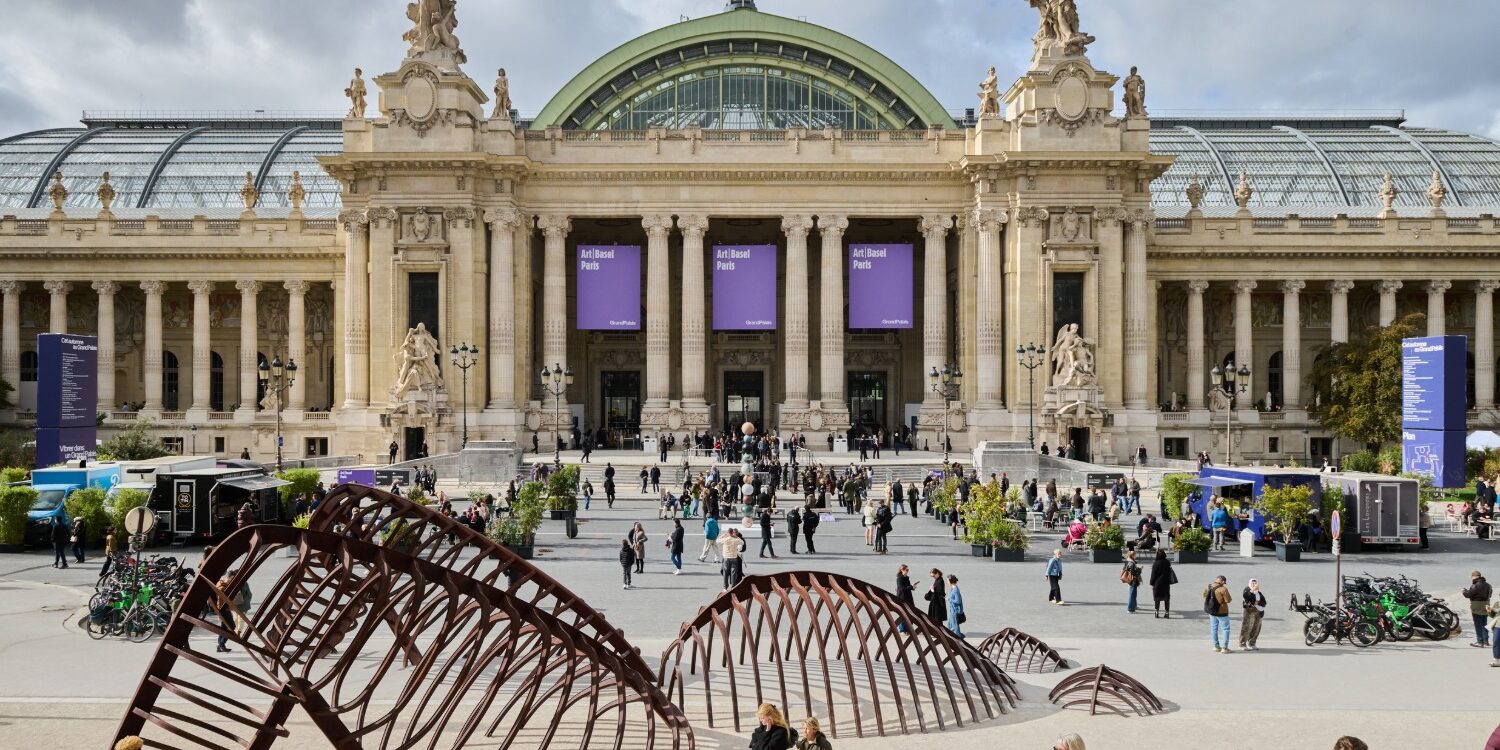
Art Basel Paris 2026, one of the premier global art fairs, made headlines this week as organizers announced an early closure due to escalating protests surrounding the event. Initially scheduled to run for an entire week, the fair will now conclude two days earlier than planned, leaving artists, galleries, and attendees to grapple with the broader implications of this decision.
Immediate reaction
Reactions to the announcement have been varied, reflecting a complex intersection of art, commerce, and activism. Some exhibitors expressed disappointment, emphasizing the financial and logistical implications of the abrupt change. Many galleries had invested significant resources into preparing for the event, and the unexpected truncation has left them frustrated. “It disrupts our entire schedule and affects our sales potential,” said one gallery owner who preferred to remain anonymous.
On the other side, activists participating in the protests welcomed the decision, framing it as a victory for their cause. “This is proof that our voices can challenge the powerful,” stated a spokesperson for one of the advocacy groups involved. The protests had garnered significant media attention leading up to the fair, reflecting a growing dissatisfaction with various contemporary issues that art fairs often symbolize, including inequality and the commodification of culture.
What triggered the move
The protests stem from a range of societal concerns that have become increasingly prominent in contemporary discourse. Activists focused their efforts on the fair due to its portrayal of elite culture and perceived detachment from pressing social issues, particularly in relation to climate change and economic disparity. The organizers faced mounting pressure as protestors gathered outside the venue, demanding more responsible practices from the art world.
In light of the protests, Art Basel officials stated that their prioritization of public safety and operational effectiveness led to the decision to close early. “We recognize the importance of dialogue and are committed to addressing these vital issues,” said a company representative. This integrated response suggests a shift in the art fair’s approach to social critiques, possibly indicating a trend for future events to engage more robustly with activism.
Why readers should care
The early closure of Art Basel Paris 2026 is significant beyond just the art market; it highlights the rising tensions between art events and socio-political activism. As major cultural institutions increasingly find themselves at the center of public scrutiny, this incident may serve as a cautionary tale for organizers of similar events worldwide. The implications for artists, collectors, and institutions could be profound, shifting the landscape of how art is perceived and promoted.
Moreover, the incident underlines the growing expectation for art fairs to not only showcase art but also respond to the societal issues affecting their curators, creators, and audiences. As the global art community reflects on these dynamics, the conversation ignited by the protests at Art Basel may encourage more proactive engagement with these essential themes, altering the way future events are conceived and executed.
In the short term, the fallout from the early closure may result in a reevaluation of artists’ representation and how fairs adapt to ensure they remain relevant within an increasingly activist-led cultural landscape.
Original Source: https://www.artsy.net/article/artsy-editorial-art-basel-paris-2026-close-early-amid-protests