
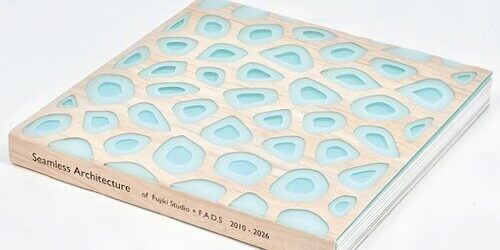
The recent release of “Seamless Architecture” marks a significant contribution to the field of architectural design, delving into the concept of continuous surfaces through bio-inspired methodologies. This book not only showcases innovative architectural styles but also emphasizes how nature can inform and enhance the built environment. Produced by a collaborative team of architects and designers, the book positions itself as a pivotal resource for industry professionals and students alike.
The latest turn
The unveiling of “Seamless Architecture” at the International Architecture Exhibition in Venice generated considerable buzz among enthusiasts and industry experts. This visually striking publication combines stunning visuals and thought-provoking text, illustrating how seamless design can reduce material waste and promote sustainability. The authors draw on various biological processes, such as skin, shells, and even cellular structures, to propose new forms of spatial continuity.
Architecture has seen a growing interest in bio-inspired design, but this book takes it a step further by detailing how these natural principles can be realistically applied to contemporary architecture. For instance, the authors present case studies where fluid forms integrate with their environments, thereby reducing energy costs and minimizing ecological impact. The recent publication serves as a timely reminder of the interdependence between humans and nature.
How the story got here
The journey toward “Seamless Architecture” began several years ago when a cohort of architects set out to explore the untapped potential of continuous surfaces. They recognized that traditional architectural forms often create boundaries that separate spaces, both physically and conceptually. The team engaged in extensive research that intertwined biomimicry with modern construction techniques, analyzing how fabrics, materials, and structures could evolve for better performance and aesthetic appeal.
This effort coincided with a broader movement in architecture aimed at sustainability and environmental consciousness. As various disciplines began to converge—engineering, biology, and art—the project started gaining traction and attracted attention from various stakeholders, including academic institutions and industry leaders. The methods outlined in the book are supported by rigorous scientific research, offering a solid foundation for future architectural innovation.
Next expected developments
Looking ahead, the authors of “Seamless Architecture” plan to host a series of workshops and panel discussions aimed at architects and designers eager to implement these bio-inspired principles in their work. By fostering community engagement, the team hopes to bridge the gap between theory and practice, enabling more professionals to explore sustainable design methods.
Moreover, plans are underway for a follow-up volume that will include contributions from emerging designers around the world. As interest in bio-inspired architecture continues to grow, the next expected milestone will likely be the integration of these design principles in larger urban planning initiatives, potentially transforming entire city landscapes. The dialogue surrounding sustainable architecture and continuous forms seems set to evolve, inviting new interpretations and applications that could redefine the boundaries of the built environment.
Original Source: https://www.designboom.com/architecture/seamless-architecture-book-continuous-surfaces-bio-inspired-design-research-fujiki-studio-fads/