
Immediate reaction
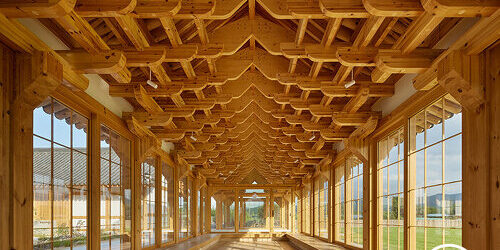
The recent unveiling of three timber rejuvenation halls by architectural firm JK-AR has sparked considerable interest in both architectural and cultural circles. Experts in the field have lauded the designs as a thoughtful fusion of modern innovation and traditional Korean aesthetics. The halls surround a series of historical courtyards, bringing a breath of fresh air to the age-old structures and, by extension, K-culture as a whole.
Public reaction has also been enthusiastic, with local residents and architecture enthusiasts flocking to the site to experience the harmonious blend of old and new. Many have expressed their appreciation for how JK-AR has managed to preserve the cultural essence while integrating contemporary architectural practices. Social media platforms are abuzz with images and discussions about the new space, highlighting a collective pride in Korean heritage that the project has evoked.
What triggered the move
JK-AR’s initiative stems from a broader trend within South Korea to revitalize traditional spaces in a way that respects their historical significance. As urbanization accelerates, many traditional structures risk being overshadowed or demolished. In response, community leaders and architects are rallying for preservation efforts. The three timber halls serve as a solution to this issue, offering a redesign that maintains the integrity of the courtyards while creating multifunctional spaces for gatherings, exhibitions, and cultural events.
The need for such projects grew louder in recent years, as local historical sites faced threats from modern development. The planning of these timber halls was prompted by a desire to create sustainable architecture that honors past teachings while addressing present-day needs, thus appealing to a new generation eager to engage with their heritage.
Why readers should care
The implementation of JK-AR’s timber rejuvenation halls extends beyond architectural aesthetics; it embodies an urgent conversation about cultural preservation in a rapidly modernizing society. For readers, this development represents an opportunity to witness the resurgence of traditional values interwoven with contemporary design, showcasing how innovative thought can breathe new life into historical contexts.
Moreover, as global cities grapple with the balance between preservation and progress, the JK-AR project provides a compelling case study. It challenges urban developers and policymakers to consider the importance of cultural heritage in their planning processes. The short-term impact of this initiative is likely to influence similar projects across the nation, encouraging more architects and city planners to prioritize the harmonious coexistence of the old and the new. As interest in sustainable and culturally sensitive architecture grows, JK-AR’s approach may well serve as a benchmark for future developments in South Korea and beyond.
Original Source: https://www.designboom.com/architecture/three-timber-rejuvenation-halls-jk-ar-traditional-korean-courtyards/