
In a world increasingly aware of the impermanence of structures and spaces, BEAR Architects draws inspiration from Robert Smithson’s concept of entropy. This approach leads the firm into the often-overlooked areas of architecture, creating designs that embrace decay and transformation.
Background and context
Robert Smithson, a pivotal figure in the Land Art movement of the 1960s, is renowned for his exploration of entropy, a principle that underscores the inevitable decline of all systems. He famously stated that art is an extension of natural processes, encapsulating the idea that creation and decay are inextricably linked. His most notable work, “Spiral Jetty,” exemplifies this thought, emerging and receding with the shifting tides of the Great Salt Lake. Smithson’s reflections on nature and time challenge conventional notions of permanence in art, offering a lens through which to view architecture.
BEAR Architects, founded in the early 2000s, has carved a niche focusing on sustainable and context-driven designs. Led by principal architect Sarah Kader, the firm aims to explore the relationship between architecture and the surrounding environment—with a specific focus on spaces that have been abandoned or forgotten. This choice aligns with Smithson’s ethos, suggesting a conscious departure from traditional architectural practices toward a more organic, transient understanding of built environments.
Latest developments
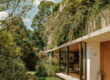
Recently, BEAR Architects unveiled a project that epitomizes their philosophy of embracing entropy. Located on a desolate industrial site, the project transforms a dilapidated warehouse into a versatile community hub. While the building’s original structure remains intact, it has been reimagined with materials that meld with the natural elements around it, allowing nature to take its course. Vines enveloping its weathered brick walls and moss-covered roofs signal an architectural response to Smithson’s ideas—celebrating the beauty of impermanence rather than shunning it.
This innovative design not only meets the community’s needs but also encourages its inhabitants to re-engage with their surroundings, challenging the notion of spaces deemed undesirable. Local residents have embraced the project, having participated in interactive workshops and public forums that encourage ownership of the space. These elements echo Smithson’s overall intent: inviting audiences to contemplate the cycles of existence through architecture.
What to watch next
The implications of BEAR Architects’ work extend beyond mere aesthetic exploration. As urban planners and architects grapple with issues of sustainability and climate change, the firm’s approach could inspire a wider trend—an architectural movement that finds value in decay and turns towards adaptive reuse. Future projects, likely expanding on this foundation, will invite architects to enhance connectivity to neglected spaces, promoting a dialogue between the built environment and the natural world.
As the boundaries between art and architecture blur, the architectural community will be closely watching how BEAR Architects further blends Smithson’s conceptual framework with contemporary practices. Projects like the community hub offer a blueprint for redefining urban spaces while paying homage to the layers of history and nature intertwined in their fabric. As we move forward, understanding and embracing entropy may shape the future of architecture in unprecedented ways.
Original Source: https://www.designboom.com/architecture/robert-smithsons-entropy-bear-architects-spaces-architecture/