
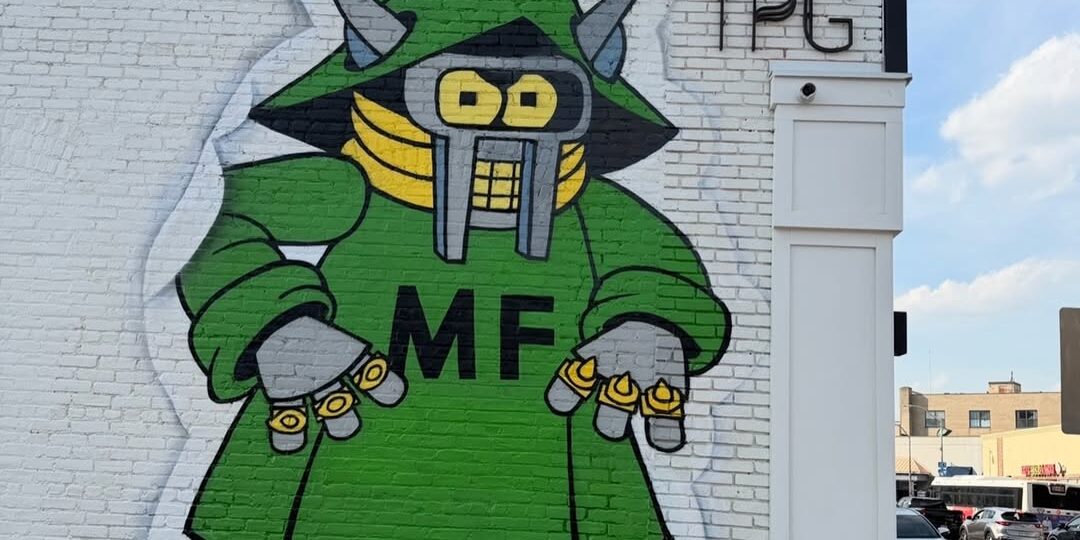
Incarcerated Jerkfaces, a prominent name in contemporary street art, has unveiled its latest project: a retrospective that traces the evolution of sticker pieces over the years. This project is noteworthy as it not only highlights the history of this accessible medium but also serves to reflect broader cultural trends and artistic practices.
Key details
The retrospective showcases a diverse range of sticker pieces created by both established and emerging artists, illustrating their development from simple, hand-drawn designs to intricate digital prints and interactive pieces. Attendees can expect to see how various themes—such as social commentary, identity, and humor—have influenced sticker art over time.
Incarcerated Jerkfaces originated in the early 2000s, a period marked by a boom in street art. Recognizing the power of stickers as a form of expression that could reach a wider audience, the organization’s founders began documenting and promoting this medium. Over the years, the artistic approach has transformed in terms of technique, engagement, and content, with artists increasingly incorporating elements from other disciplines, such as graphic design and digital art.
Why this matters
The significance of this project extends beyond mere aesthetics. Stickers have emerged as a critical vehicle for grassroots communication and activism, particularly among marginalized communities. Through their ability to be rapidly produced and distributed, stickers allow artists to convey messages quickly and effectively, often breaking geographic and logistical barriers associated with traditional forms of art.
Furthermore, the growth of social media has amplified the reach of sticker art, enabling artists to create online communities centered around their work. This digital presence has not only helped in promoting sticker culture but has also fostered collaborations among artists across different regions, thereby redefining the concept of traditional art networks.
Broader picture
As sticker art continues to evolve, it invites us to reconsider the role of accessibility in contemporary art. The affordability and ease of creation that stickers offer democratize artistic expression, allowing more voices to participate in the conversation around art and culture. This democratization aligns with broader social movements that emphasize inclusivity and representation in various art forms.
Incarcerated Jerkfaces’ initiative illustrates that sticker art is not merely a subsidiary of street art but a critical component of the wider artistic landscape. It prompts viewers to reflect on their preconceived notions about what constitutes ‘high’ art versus more ‘casual’ forms of expression, shedding light on the validity and importance of all art forms.
In conclusion, the evolution of sticker pieces as showcased by Incarcerated Jerkfaces serves as a testament to the dynamic nature of street art and its ability to adapt and respond to societal changes. As this form of art continues to flourish, it raises pertinent questions about authorship, accessibility, and the role of art in civic discourse, affirming that art in all its forms remains an essential part of human expression.
Original Source: https://streetartnews.net/2026/09/incarcerated-jerkfaces-traces-the-evolution-of-a-sticker-piece.html