
Key details
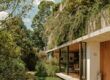
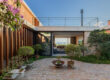
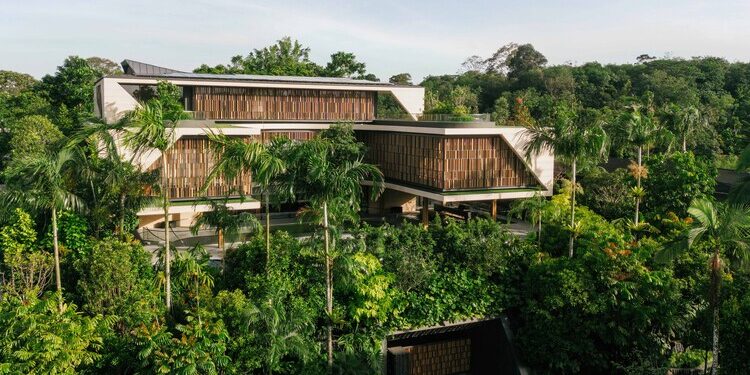
The House Above the Trees, designed by Wallflower Architecture + Design, is a striking example of modern residential architecture that harmonizes with its natural surroundings. This innovative home is perched high amidst a forest setting, showcasing a design that not only prioritizes aesthetic appeal but also emphasizes sustainability. The house features expansive glass walls that create a seamless connection between the living spaces and the surrounding landscape, thereby enhancing the experience of living within nature.
Constructed with environmentally friendly materials, the House Above the Trees has been designed with energy efficiency in mind. It incorporates solar panels, rainwater harvesting systems, and a well-insulated structure, all of which contribute to reducing the ecological footprint of the residence. Additionally, the strategic use of local materials minimizes transportation emissions and supports the regional economy.
Why this matters
This development is notable because it exemplifies a growing trend in architecture that seeks to merge modern living with environmental stewardship. As climate change persists as a pressing global concern, buildings like the House Above the Trees represent a proactive approach to reducing urban sprawl and promoting sustainable lifestyles. By showing that luxury can coexist with ecological responsibility, Wallflower Architecture + Design encourages potential homeowners to reconsider their values when it comes to property development.
Furthermore, the design takes full advantage of its unique topography. By elevating the structure, the architects not only protected the habitat beneath but also ensured that the views across the treetops elevate the inhabitants’ experience. This can lead to a greater appreciation of the natural environment and inspire residents to engage in conservation efforts.
Broader picture
The House Above the Trees is not just an isolated project but part of a broader movement toward more conscious living spaces. As urban areas face congestion and overpopulation, there is an increased interest in homes that prioritize both space and sustainability. Projects like this also pave the way for innovations in materials and technologies that enable greener building practices.
As we move forward, the architectural community will likely draw inspiration from such successful projects, leading to more residential designs that complement their environments rather than disrupt them. This shift may catalyze discussions around zoning laws and regulations, potentially encouraging policymakers to adapt frameworks that support sustainable home development in harmony with natural landscapes.
In conclusion, the House Above the Trees represents a meaningful step toward the integration of sustainable practices into contemporary architecture. Its thoughtful design serves as both a model for future residential projects and a reminder of the importance of living alongside, rather than in opposition to, our natural environments. The implications of this approach may extend well beyond individual homes, fostering a cultural shift that prioritizes sustainability in the built environment.
Original Source: https://www.archdaily.com/1184983/house-above-the-trees-wallflower-architecture-plus-design