
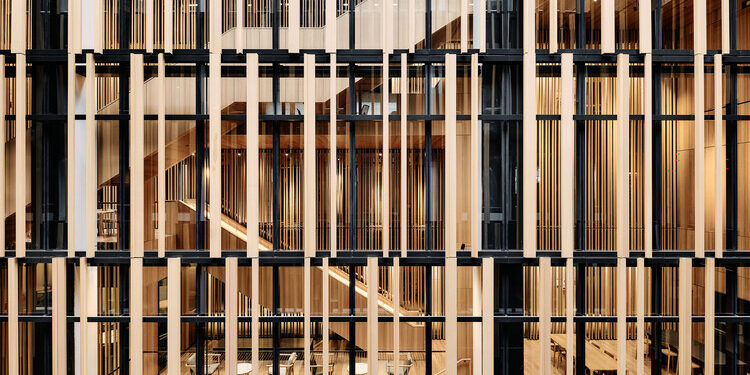
In the quest for sustainability and aesthetic appeal, timber has often been hailed as the go-to material for modern architecture. However, as building demands evolve, architects and engineers are realizing that wood isn’t always the optimal choice for high-performance structures. This shift prompts a critical examination of material selection in contemporary design.
What happened
Recent innovations in construction materials have challenged the preeminence of timber in architecture. Although wood offers benefits like carbon sequestration and a warm aesthetic, its limitations in durability, fire resistance, and structural performance can lead to significant issues. Notably, developments in steel, concrete alternatives, and composites are reshaping the landscape of material selection.
For example, cross-laminated timber (CLT) has gained traction for its strength and eco-friendly credentials. Yet, instances of poor performance in harsh climates have raised concerns. As more architects engage in high-performance projects where thermal efficiency and longevity are paramount, the inherent vulnerabilities of timber become more pronounced.
In addition, the rise of extreme weather events highlights the necessity for materials that can endure. Urban centers grappling with climate change need solutions that ensure safety without compromising design integrity. This calls for a broader approach to material selection beyond traditional timber.
What it means for readers
For homeowners, developers, and industry professionals, the implications of this material rethinking are profound. Understanding when timber may fall short can lead to better decision-making. Many now consider alternative materials that offer greater resilience and sustainability, such as engineered wood products, advanced concrete composites, or even recycled materials like plastics.
As projects increasingly focus on energy efficiency and sustainable practices, readers should be aware that the material choice can greatly influence long-term costs and environmental impact. Exploring options that include steel reinforcement or sustainable concrete can provide structures that endure and operate effectively in diverse conditions.
Moreover, the architectural trend toward biophilic design is not solely reliant on timber. Materials like rammed earth and bamboo can complement or replace wood while still fulfilling the essential need for aesthetic and environmental harmony. This diversification can yield spaces that are as sustainable as they are beautiful.
What happens now
The future of high-performance architecture hinges on an ongoing investigation into material choices. Architects are increasingly integrating lifecycle assessments and material science into their design processes, evaluating not just the immediate benefits of wood but also how alternatives can address potential shortcomings.
As the industry adapts, emerging technologies, such as 3D printing and digital fabrication, will continue to play a vital role in material innovation. These advancements can lead to customized solutions that maximize performance in ways traditional timber cannot offer.
Ultimately, the conversation surrounding material selection is evolving. Awareness of the limitations of timber and the advantages of alternative materials is crucial for informed decision-making in future construction. As architects and builders navigate these challenges, readers must stay engaged with the discussions surrounding sustainable design to ensure that their choices align with both performance and aesthetic aspirations.
Original Source: https://www.archdaily.com/1181704/when-timber-isnt-the-right-material-rethinking-material-selection-for-high-performance-architecture