

Background and context
Fabio Cherstich, a noted figure in contemporary theater, emphasizes the evolving role of spectatorship in artistic expressions. With a career spanning over two decades, Cherstich has directed and produced acclaimed productions that challenge traditional boundaries between performance and audience involvement. He argues that art is not a passive experience; rather, it invites active engagement and contemplation from its viewers. This perspective aligns with a growing discourse in the arts that prioritizes audience responsibility and awareness.
Cherstich’s theatrical practice draws inspiration from varied cultural narratives, often interweaving social themes that resonate with modern societal issues. He proposes that spectators can no longer afford to be mere bystanders; they hold a significant stake in how performance art reflects and catalyzes social change. His work often encourages discussions around morality, identity, and politics, urging audiences to critique and engage rather than simply consume.
Latest developments
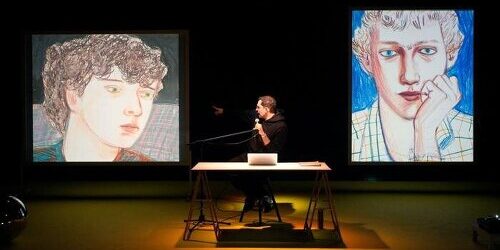
Recently, Cherstich has taken this philosophy to new heights with his latest production, “Reflections in the Dark,” which premiered at a contemporary arts festival earlier this month. The play delves into themes of surveillance, social media, and the ethical implications of technoculture, prompting audiences to reflect on their own online behaviors and the broader societal impacts.
During a post-show discussion, Cherstich reiterated the idea that spectatorship involves responsibility; he urged attendees to actively consider how their choices and perspectives shape the narratives presented on stage. This interactive dialogue has sparked a wave of interest, as attendees share personal reflections on social media, extending the conversation beyond the theater walls and into the digital realm.
Critics have lauded “Reflections in the Dark” for its innovative approach, noting that it compels an introspective audience experience where the line between performer and spectator blurs. It’s a continued exploration of how contemporary theater can function as a mirror for societal introspection, demanding active participation rather than passive consumption.
What to watch next
Looking ahead, Cherstich is set to host a series of workshops aimed at both aspiring artists and theatergoers to explore the responsibilities of modern spectatorship. These workshops will emphasize practical tools for engaging with performances, encouraging participants to ask questions and reflect on their roles within artistic spaces.
Additionally, as discussions around theater and arts converge with technological advancements, audiences can expect Cherstich’s upcoming projects to further engage with digital storytelling and the implications of virtual interaction. His dedication to pushing the boundaries of traditional forms indicates a bright future for those willing to embrace the evolving nature of art as a collaborative experience.
Cherstich’s approach serves as a timely reminder that theater and art are not isolated experiences but communal reflections, urging us to reconsider our roles as spectators in a world where our responsibilities extend far beyond the theater seats.
Original Source: https://www.designboom.com/art/spectator-responsibility-fabio-cherstich-boundaries-art-theater/