

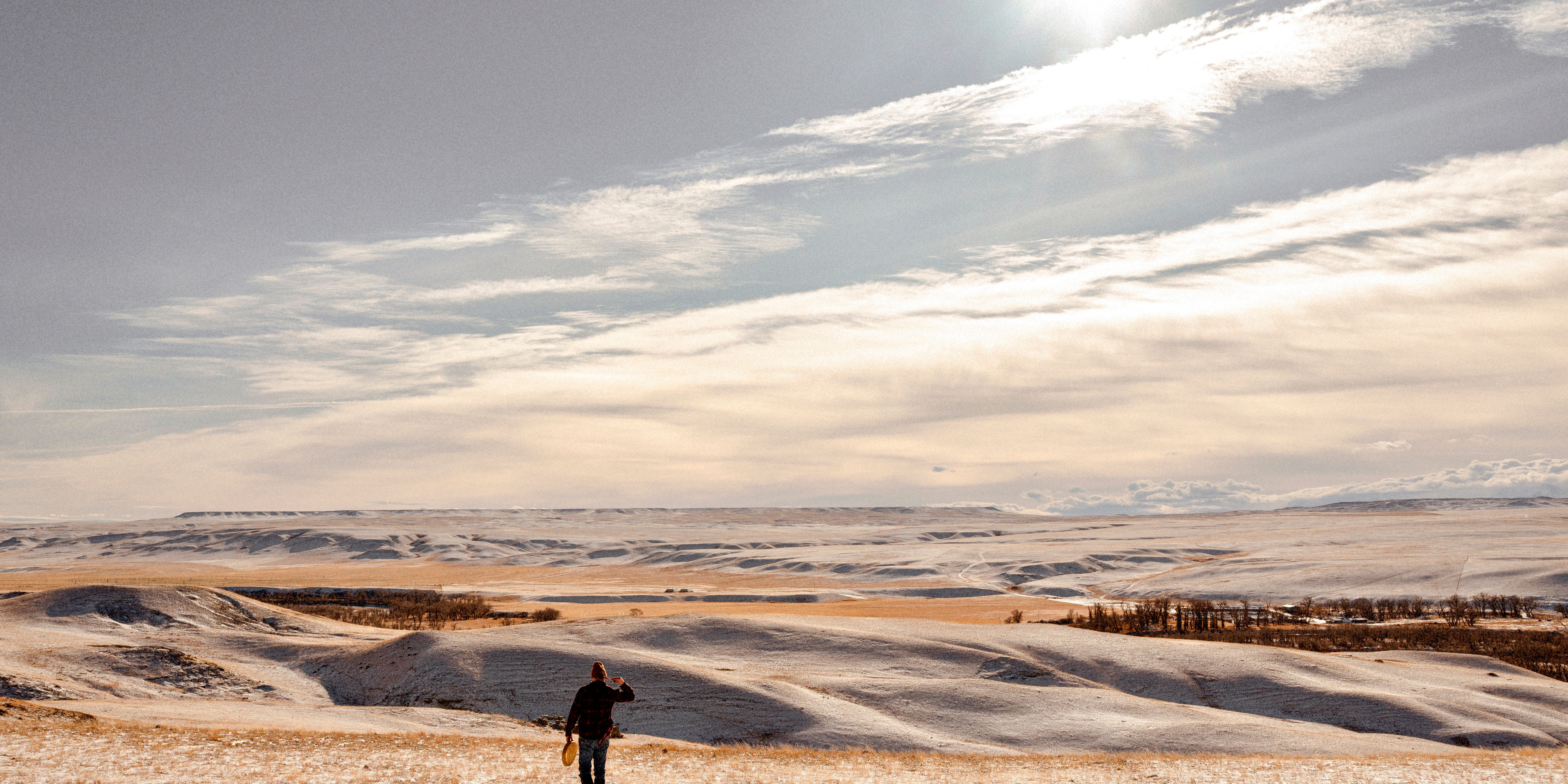
Recent discussions among Indigenous leaders in Blackfoot Country have sparked a renewed examination of the U.S.-Canada border’s significance, revealing deep-rooted cultural perspectives that challenge conventional views of national boundaries. These conversations have gained urgency in response to increasing border security measures and ongoing debates about Indigenous sovereignty.
What happened
In an unprecedented gathering held in late October, members of the Blackfoot Confederacy, which includes the Blackfeet Nation in Montana and the Kainai, Piikani, and Siksika Nations in Canada, convened to articulate their unique understanding of the U.S.-Canada border. Participants highlighted how their ancestral lands and cultural ties transcend geopolitical lines imposed by colonial powers. This event was accompanied by a series of workshops aimed at educating both Indigenous and non-Indigenous communities about the historical context of these boundaries and the implications for Indigenous rights.
The attendees asserted that the border is not merely a political division but represents a historical violation of their territories and rights. “For us, the land doesn’t recognize the border,” said Kainai Chief Roy Fox. “We have lived here for thousands of years, and our connection to the land doesn’t change because of a line drawn on a map.” This sentiment resonates deeply among members of the Confederacy, who envision a future where traditional trade practices, cultural exchanges, and communal gatherings once again flourish without the constraints of modern border policy.
Why it matters
This grassroots dialogue signifies a broader movement among Indigenous communities to reclaim their narrative regarding land, identity, and sovereignty. As nations grapple with issues like climate change, resource extraction, and economic development, Indigenous populations argue that their stewardship of the land offers critical insights and sustainable solutions that are often overlooked in mainstream discussions.
The border’s reexamination also draws attention to the historical injustices faced by Indigenous peoples, including forced relocation, disrupted trade routes, and loss of connection to sacred sites. Advocates stress that recognizing the cultural significance of the land and the historical context of borders is vital for fostering equitable relationships between Indigenous Nations and governmental authorities. This has implications for policy-making at both local and federal levels, suggesting that a shift in understanding could pave the way for more collaborative governance approaches.
What comes next
Looking ahead, the Blackfoot Confederacy plans to pursue further dialogues with Canadian and American governments to advocate for policy changes that respect their ancestral rights and land claims. Anticipated next steps include formal requests for recognition of their traditional knowledge in environmental decision-making processes and proposals to establish transboundary partnerships that bolster economic and cultural exchange.
As these initiatives gain traction, the ongoing discussions around Indigenous perspectives on the U.S.-Canada border are likely to influence broader conversations about national identity, reconciliation, and the path towards equitable co-existence. For observers, the immediate outlook points to a possible shift in how borders are perceived—not just as lines on a map, but as contested spaces that embody a rich, shared history and a potential for future collaboration.
Original Source: https://www.cntraveler.com/story/in-blackfoot-country-indigenous-nations-offer-a-different-view-of-the-us-canada-border