
The latest turn
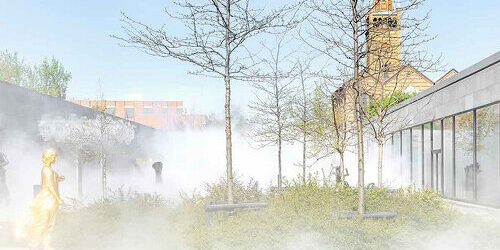
Fujiko Nakaya’s highly anticipated installation at the Mies van der Rohe-designed sculpture garden in Berlin has officially debuted, captivating visitors with an ethereal landscape of fog. Unveiled this past weekend, the installation invites spectators to explore the intersection of architecture, nature, and ephemeral art. Fog billows and curls around the iconic minimalist structures, creating an immersive experience that celebrates both the art of Nakaya and the architectural legacy of Ludwig Mies van der Rohe.
The installation is part of a broader initiative to engage contemporary artists in iconic settings, reflecting on how art interacts with built environments. Visitors have so far reported feelings of tranquility and wonder, as the swirling mist transforms the stark lines of the garden into a sensory playground. Nakaya’s work, known for its fog sculptures, modifies the perception of the space, blurring the boundaries between art, architecture, and the natural world.
How the story got here
This exhibition marks a significant moment in the ongoing dialogue around the significance of public art in urban settings. Nakaya, who has gained international acclaim for her fog installations over the decades, was chosen for this site due to her ability to engage with the surrounding space in a unique manner. The project began conceptualization over two years ago, with curators Rebecca Edwards and Franziska Nori leading the charge.
The Mies van der Rohe sculpture garden has long stood as a testament to modern architecture and design since its completion in the 1960s. Nakaya’s work complements the garden’s minimalist aesthetic while contrasting with the rigid forms and materials. Her penchant for using organic elements in her installations serves as a counterpoint to Mies’s concrete and steel, fostering a dialogue on harmony and disruption within art and architecture.
In the lead-up to the unveiling, the community buzzed with anticipation. Nakaya conducted various tests to ensure the fog would weave seamlessly with the architectural elements without obscuring their integrity. Several previews were held for stakeholders, allowing the artistic vision to evolve with feedback from architects, critics, and local audiences. This collaborative process further highlights the importance of community in shaping how art is received in public spaces.
Next expected developments
The installation is slated to be on display throughout the fall, giving ample opportunity for both locals and tourists to experience the fusion of fog and architecture. Organizers are planning a series of guided tours and artist talks to delve deeper into Nakaya’s artistic process and her relationship with the site. These educational efforts aim to enhance understanding of not just Nakaya’s work, but also the historical context of Mies van der Rohe’s design, which is pivotal in the narrative of modern architecture.
Looking ahead, the installation’s popularity may prompt further collaborations between contemporary artists and historic sites within Berlin, broadening the scope of public art across the city. As the fog envelops the sculpture garden, it offers a space for reflection and dialogue, setting the stage for future artistic interpretations that engage with both space and viewers in innovative ways.
Original Source: https://www.designboom.com/art/fujiko-nakaya-mies-van-der-rohe-berlin-sculpture-garden-landscape-fog-neue-nationalgalerie/