
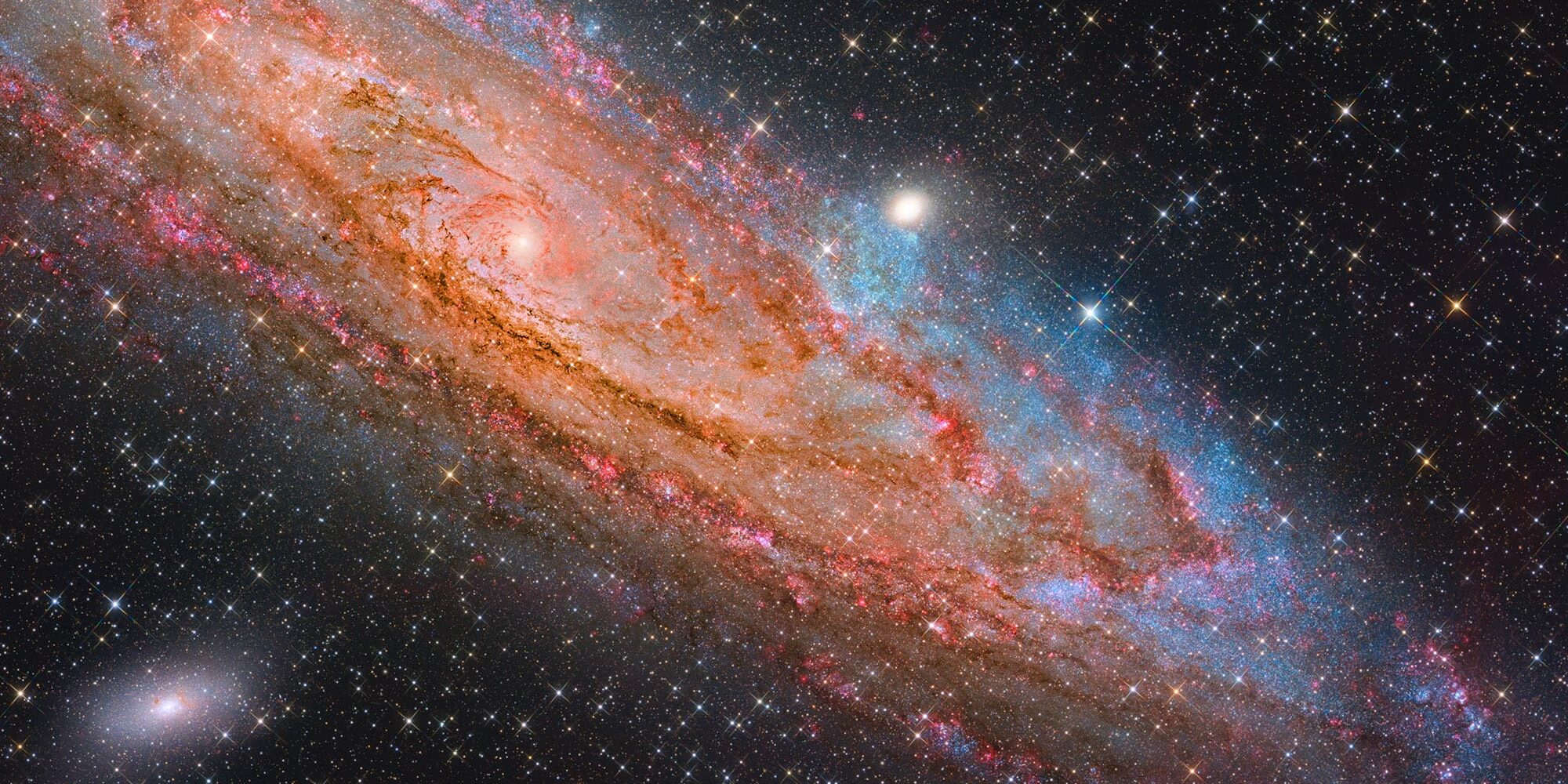
The ZWO Astronomy Photographer of the Year Shortlist has captured attention across the astronomical community and enthusiast circles alike. As stunning images of distant nebulas, comets, and auroras come to the forefront, both seasoned astronomers and budding photographers are eagerly discussing the implications of this year’s contenders. The collection of visuals serves as a testament to the beauty and complexity of our universe, inspiring awe and setting a benchmark for excellence in astrophotography.
Immediate reaction
The announcement of the shortlist has sparked a wave of excitement. Social media platforms are abuzz with reactions from not only professional astronomers but also amateur photographers who see the featured works as both inspiration and aspiration. Comments range from admiration for the technical skill displayed to reflections on the personal stories behind each shot. Many enthusiasts express a sense of camaraderie, sharing tips and techniques while celebrating the incredible talent showcased in the shortlist.
What triggered the move
The ZWO Astronomy Photographer of the Year competition, organized in collaboration with the Royal Observatory Greenwich, aims to honor and promote the art and science of astrophotography. The shortlisted images reflect diverse techniques and equipment used by photographers around the world, from sophisticated telescopes to simple digital cameras. The competition also serves to highlight contemporary challenges in astronomy, including light pollution and the effects of climate change on stargazing.
This year, the shortlist includes a variety of celestial phenomena. Captivating nebulae, ephemeral comets, and striking auroras are just a few of the subjects that make up this year’s stunning collection. The selection process has been meticulous, with a panel of esteemed judges considering factors such as composition, originality, and technical execution. The broad spectrum of winners amplifies ongoing discussions regarding accessibility in astrophotography—inviting newcomers to engage while celebrating established names in the field.
Why readers should care
Understanding astrophotography can deepen appreciation for both science and art. The images from the shortlist not only showcase extraordinary celestial events but also invite a deeper contemplation of our place in the universe. For readers, these photographs serve as a bridge to complex astronomical concepts, making them more tangible and relatable. Furthermore, they can inspire future generations of scientists and photographers who may find their calling by witnessing the beauty of the cosmos displayed in such striking ways.
In the short term, the impact of this shortlist may ripple through communities interested in space exploration, photography, and environmental awareness. Schools may incorporate the imagery into their curricula, families could plan nighttime excursions to stargaze, and a new wave of photographers might emerge, driven to capture the night sky like never before. Ultimately, the exquisite imagery is not just about aesthetics; it acts as a powerful reminder of our shared responsibility to appreciate and protect the natural world around us.
Original Source: https://www.thisiscolossal.com/2026/07/zwo-astronomy-photographer-of-the-year-2026-shortlist/