

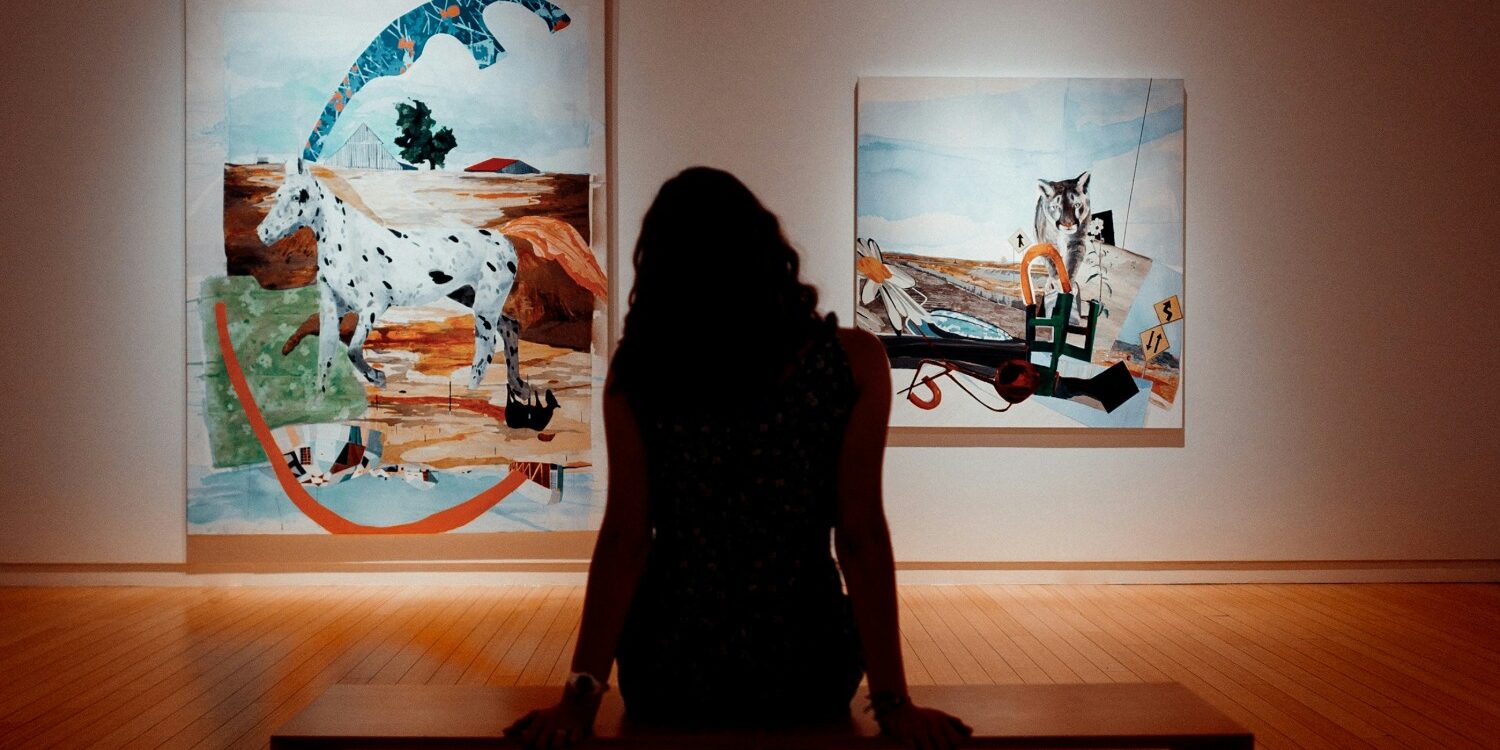
When contemplating a gift that leaves a lasting impression, art stands out as a deeply personal choice. According to experts, art not only enhances the aesthetics of a space but also conveys emotions and values that resonate with the recipient.
What happened
In recent years, art gifting has seen a transformation, moving from cliché decor items to bespoke pieces that reflect individual tastes and experiences. “People are increasingly looking for gifts that tell a story or hold significance,” says Emily Chen, an art consultant based in New York. “Art communicates care and consideration—it’s a gift that can be cherished for years.
The rise of online platforms that allow users to discover emerging artists has further democratized the art world. This accessibility enables gift-givers to find unique pieces that might resonate with their loved ones on a more personal level. “It’s all about connecting with what speaks to someone,” Chen adds. “Whether it’s a photograph, a painting, or a sculpture, the right piece can encapsulate a moment in time or a shared experience.”
What it means for readers
Understanding how to choose art as a gift has significant implications for your gift-giving practices. First, consider the recipient’s personal style and existing decor. “Take a moment to reflect on their home or workspace,” suggests Marcus Lee, a local gallery owner. “Is their style modern, traditional, or perhaps eclectic? Art should complement what they already love and enhance those spaces.”
Next, think about themes or subjects that resonate with the recipient. If they have a passion for nature, landscapes or botanical prints could be ideal. For someone with a fondness for travel, consider art inspired by various cultures globally. “Gifting art that relates to someone’s hobbies or passions shows not only thoughtfulness but also attention to detail,” Lee notes.
When in doubt about the style, one expert suggests opting for smaller, versatile pieces that can fit into a variety of spaces. For example, prints or photographs can be framed or unframed, while smaller sculptures can be easily integrated into a collection. This flexibility allows the recipient to curate their own display over time.
What happens now
As the interest in gifting art continues to grow, it’s essential to refine your approach. Start exploring local art fairs, galleries, and online marketplaces to discover inspiring pieces. Don’t hesitate to engage with artists directly; many are willing to discuss their works and offer insight into their creative process, making the gift even more meaningful.
Once you’ve found the right piece, consider the presentation. A well-packaged artwork shows your investment in the gift and further enhances its significance. You might also include a personalized note explaining why you chose that specific piece, adding another layer of sentiment.
In conclusion, art gifting, when done thoughtfully, can create a resonant connection between you and your loved one. By considering individual tastes, thematic relevance, and presentation, you can choose an artwork that will be cherished and remembered long after its unveiling.
Original Source: https://www.artsy.net/article/artsy-editorial-art-gift-expert-guide