

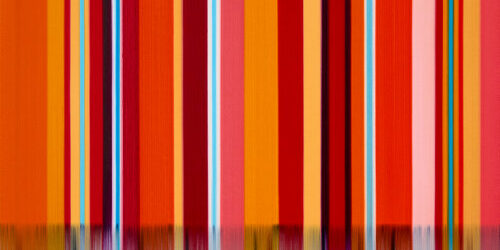
In a groundbreaking exhibition that has caught the attention of the art world, artist Mark Francis has unveiled his innovative series of abstract paintings, which are created by translating sound frequencies into vibrant visual experiences. This captivating approach allows viewers to engage with art on a multisensory level, blurring the lines between auditory and visual perception.
What happened
Mark Francis, known for his unique fusion of technology and artistry, has embarked on a creative journey that harnesses the power of sound to inform his visual compositions. Utilizing custom-built technology, Francis captures sound waves from various sources—from musical instruments to environmental sounds—and translates their frequencies into abstract patterns and colors. Each painting in this latest collection not only reflects the sonic qualities of its source but also invites viewers to experience the emotional resonance of the sounds that inspired them.
Initial reactions to Francis’s work have been overwhelmingly positive, with art critics praising his ability to seamlessly merge two distinct sensory experiences into a single medium. At the exhibition’s opening, visitors were treated to an immersive environment where they could hear the sounds that informed each painting, enhancing appreciation for the intricate interplay between sound and vision. This transformative experience encourages a deeper exploration of how humans interact with both auditory and visual stimuli.
Why it matters
Francis’s work stands at the intersection of art, science, and technology, reflecting a growing trend in contemporary art to explore multisensory experiences. By converting sound into visual form, he challenges traditional definitions of painting and offers new pathways for artistic expression. This practice not only satisfies aesthetic enjoyment but also serves as a commentary on the nature of perception in the modern world, where sensory overload is increasingly common.
The implications of Francis’s work extend beyond the gallery walls. In education and therapy, the ideas of combining sound and visual arts could lead to new methods for learning and personal expression. As soundscape therapy gains momentum, exploring how sound influences visual art could foster greater understanding of how these senses interact in individuals. Moreover, Francis’s approach opens dialogues about the role of technology in contemporary art, pushing boundaries and inviting a reevaluation of how art is created and consumed.
What comes next
Looking ahead, Francis plans to expand his work through collaborations with musicians and sound artists, further developing the synergy between sound and visual art. Upcoming projects include interactive installations where visitors can contribute sounds that may be transformed into art in real-time, inviting even deeper engagement. Additionally, efforts to publish a comprehensive catalog of his work are underway, which will detail the methodologies behind each painting, offering a deeper understanding of his innovative process.
As the art world watches how Francis continues to explore and evolve this unique medium, the creative potential of blending sound with visual art seems limitless. His work not only inspires fellow artists but also sets the stage for future breakthroughs in how we perceive and interpret sensory experiences. As this artistic movement grows, it will be intriguing to see how sound and vision continue to intertwine to enrich our cultural landscape.
Original Source: https://www.designboom.com/art/mark-francis-sound-art-frequency-vibrating-abstract-paintings/