
Manifesta 16, the European biennial of contemporary art, is set to take place in the Ruhr area of Germany, exploring the intersection of culture, community, and faith within the region’s numerous churches. This event, running from June to September 2024, is particularly significant as it invites artists from across Europe to engage with the historical and contemporary roles of these religious edifices in local society.
Key details
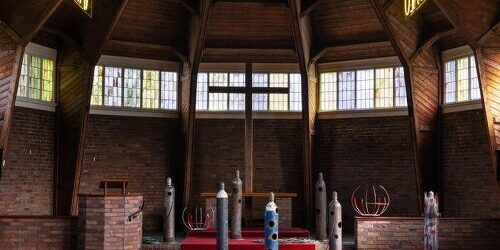
The Ruhr, once the heart of Germany’s coal and steel industries, is undergoing a major cultural renaissance. Manifesta 16 marks a pivotal moment in this evolution, focusing on the area’s churches, which have served as bastions of community life for centuries. The festival will curate installations and performances within and around these sacred spaces, prompting new dialogues about their significance in a modern, secular world. This year’s theme, “The Public and the Sacred,” asks artists to reflect on how these institutions can serve as both historical markers and contemporary community centers.
Why this matters
The churches of the Ruhr region face many challenges today, including declining congregations and financial uncertainties. Manifesta 16 presents a unique opportunity to reframe these landmarks not merely as relics of a bygone era but as vibrant, multifunctional spaces. By showcasing the artistic potential of religious architecture, the Biennial invites visitors to reconsider the role of churches as venues for contemporary discourse and cultural exchange.
In practical terms, this initiative is not only about enhancing appreciation for the artistic merit of these structures but also about revitalizing local economies. As visitors flock to the region for the event, local businesses, cafes, and artists stand to benefit enormously from increased foot traffic and engagement. Furthermore, the collaboration between local communities and artists can catalyze new forms of cultural production, paving the way for future projects that blend tradition with innovation.
Broader picture
The implications of Manifesta 16 extend beyond the immediate context of the Ruhr. It contributes to a broader European dialogue about the future of ecclesiastical architecture in an increasingly secular society. Many urban areas are grappling with similar dilemmas regarding how to repurpose these historical sites, which often lie empty and underappreciated. This Biennial offers a model for revitalization that other regions may look to replicate, balancing the preservation of cultural heritage with the necessity for innovation and community engagement.
As the event approaches, the anticipation surrounding Manifesta 16 reflects a desire for cultural regeneration that honors both past and present. It may very well influence how churches are perceived and utilized, creating a blueprint for future engagement between art, community, and spirituality. Thus, the event not only reclaims the narrative of Ruhr’s churches but also initiates ongoing conversations about their role in the public sphere, shaping what these spaces can become in years to come.
Original Source: https://www.designboom.com/art/manifesta-16-past-present-future-ruhr-churches/