

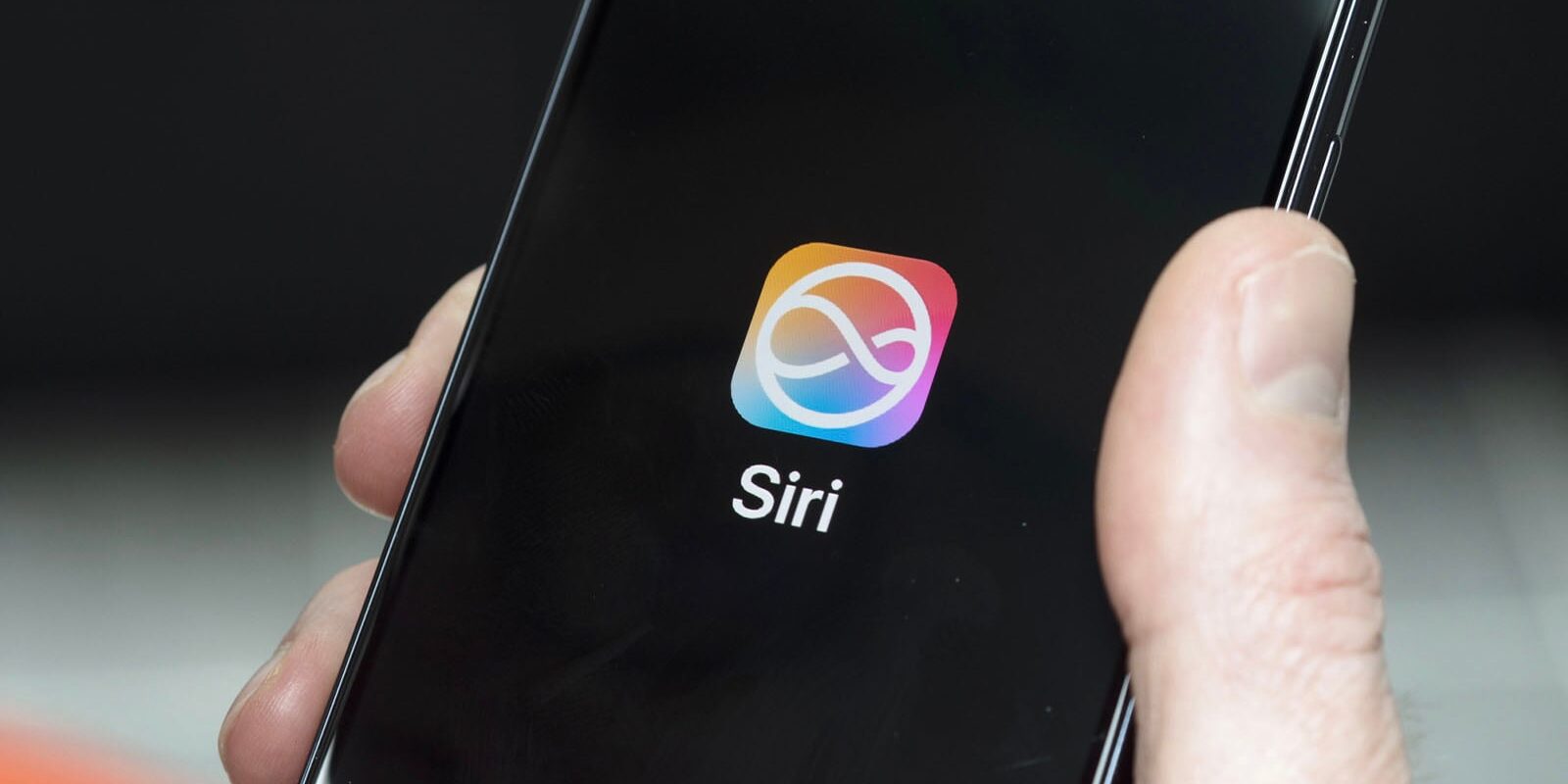
The recent revelations regarding the Apple Watch’s listening capabilities have intensified concerns over privacy and trust in our digital devices. Apple’s latest software update introduced new features aimed at improving user experience, but it also ignited a debate on whether consumers can truly trust that their devices are not surveilling them.
The latest turn
Bloomberg reported last week that Apple’s latest software enhancements included functionality for continuous listening aimed at helping users interact more seamlessly with Siri. While this enhancement could provide convenience in everyday tasks, critics argue that having a device constantly alert for voice commands increases the risk of unintended recordings—essentially, the eavesdropping capabilities of the Apple Watch.
While Apple insists that it prioritizes user privacy, the implications of having a device so closely integrated into daily life are profound. Users are left pondering whether the convenience is worth the potential costs to their privacy and whether they can remain honest while knowing their words could be recorded at any moment.
How the story got here
The concern over device surveillance isn’t new. The introduction of smart speakers and wearables has triggered numerous discussions about privacy. Apple has long marketed its products as privacy-first, touting features that encrypt data and anonymize user behavior. However, the introduction of voice-activated technology into wearables has complicated this narrative, as the distinction between user intent and machine activation can be blurred.
In 2020, reports surfaced about Apple’s protocols for handling user data, with some instances of employees hearing recordings for quality improvement purposes. This raised red flags about the ethical implications of such practices. With the Apple Watch continuously tuned to hear the wake phrase “Hey Siri,” critics argue that the potential for accidental recordings creates an atmosphere of unease, undermining users’ ability to speak openly.
As technology evolves, so too does its capacity to intrude into personal lives. Privacy advocates are now calling for more transparency and control over how voice data is managed. Some suggest users should have the option to disable certain features without losing key functions, ensuring that they can maintain their privacy without sacrificing convenience.
Next expected developments
As the debate rages on, Apple faces increasing pressure to bolster its privacy policies amid growing scrutiny from users and regulators alike. The company is likely to respond with further enhancements in privacy settings, potentially allowing users to opt out of continuous voice activation in future updates.
In light of international discussions around digital privacy norms, we may see additional regulations emerge aimed at protecting consumers. If the trend continues, this could reshape how technology companies approach user data and privacy rights across the board, leading to fundamental changes in the market.
The question remains: as technology becomes increasingly integrated into our daily lives, will consumers retain their ability to communicate honestly? Or will the fear of being constantly surveilled create a more guarded society? The forthcoming updates and regulatory actions will likely determine the direction of this evolving narrative.
Original Source: https://petapixel.com/2026/09/09/your-apple-watch-is-always-listening-will-anyone-ever-be-honest-again/