

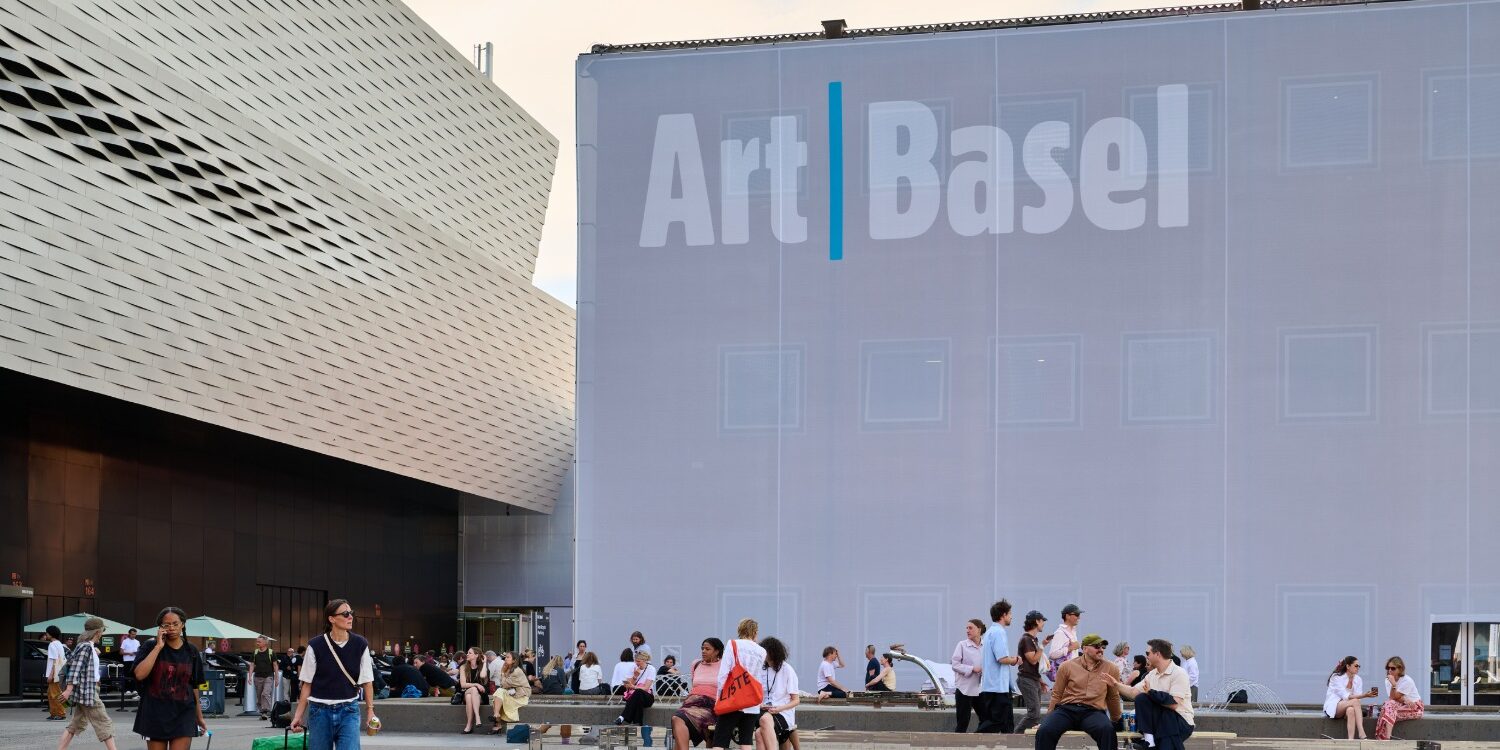
A recent report by Art Basel and UBS reveals a striking trend: Generation Z is significantly outpacing older generations in art-related expenditures, allocating more than twice as much of their disposable income to acquire art. This new insight underscores the shifting landscape of art consumption and investment among younger audiences in the cultural sphere.
What happened
The report highlights that Gen Z, typically defined as individuals born between 1997 and 2012, is investing approximately $650 annually in art. This figure stands in stark contrast to millennials, who spend about $300 per year, and the baby boomer generation, whose investment hovers around $250 annually. The data was collated from a diverse set of respondents across multiple countries, capturing a comprehensive snapshot of the art market’s evolving demographics.
This remarkable difference in spending habits is thought to be influenced by several factors, including the rise of social media platforms where art is frequently showcased, the digitalization of art, and the increasing accessibility of art markets through online sales. Gen Z, characterized by their affinity for innovative digital experiences, engages with art in ways that previous generations may not have, leading them to new avenues for exploring and purchasing artworks.
Why it matters
The significance of these findings goes beyond mere statistics; they point to a transformative moment in the art world. As Gen Z approaches adulthood and continues to mature into a key consumer demographic, their preferences and values are likely to reshape the cultural landscape. This generation prioritizes authenticity, social impact, and support for emerging artists, which may encourage galleries and institutions to adapt their strategies to appeal to a younger base.
Moreover, the trend underscores the potential for art to be viewed not just as a luxury good but as an integral part of personal and social identity. Many young collectors are drawn to art that reflects their values, such as sustainability and social justice. This shift can prompt artists and galleries to focus on themes that resonate with Gen Z’s worldview, thereby shifting trends in artistic expression and market offerings.
What comes next
Looking ahead, the immediate outlook is for art institutions and market participants to gear up for this generational shift. With Gen Z’s preferences in mind, galleries may increasingly experiment with virtual exhibitions and NFT markets to cater to their tech-savvy audience. Analysts are advising stakeholders to cultivate an engaging, interactive experience that not only showcases art but fosters community and dialogue around social issues.
Furthermore, as Gen Z continues to earn and spend, the impact on the art economy is likely to deepen. Observers will be watching closely for trends in how emerging artists connect with this generation and what kinds of art become the hallmark of this period. The essential question remains: how will the art world adapt to accommodate and embrace the burgeoning influence of Generation Z?
Original Source: https://www.artsy.net/article/artsy-editorial-gen-spends-twice-art-generations-art-basel-ubs-report-finds