

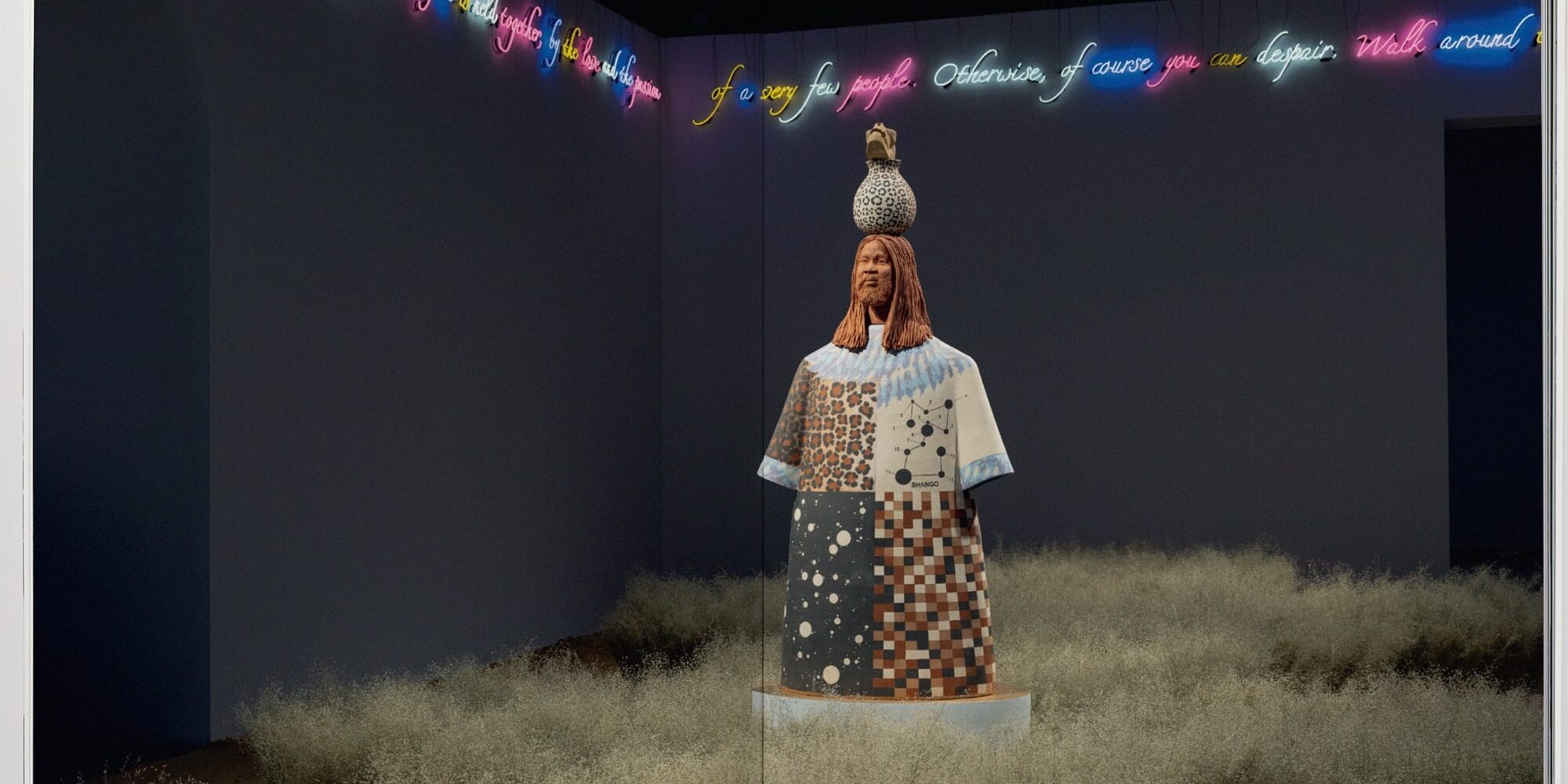
Artist Tavares Strachan recently launched his first monograph, an extensive survey of his diverse body of work that has captivated audiences around the globe. The publication has generated significant buzz within the contemporary art community, with reactions ranging from enthusiastic endorsements to critical analyses of its content and implications. Many in the market are closely watching how this monograph might influence both collectors and emerging artists.
Immediate reaction
Upon its release, Strachan’s monograph quickly caught the attention of critics and art enthusiasts alike. Reviews poured in, praising the artist’s unique ability to blend the historical with the contemporary. The book features a wide array of his projects, ranging from sculptures to multimedia installations, and includes insightful essays that contextualize his work within broader cultural conversations. The immediacy of the reactions hints at the publication’s potential to redefine conversations in contemporary art.
Industry insiders have noted an uptick in interest surrounding Strachan’s exhibitions and related events since the launch of the monograph. Online platforms and art fairs have seen heightened engagement, with collectors expressing renewed interest in securing Strachan’s pieces. The book’s release is perceived as a strategic pivot in his career, signaling a moment of maturation and increased visibility for his practice.
What triggered the move
The decision to compile his first monograph appears to be influenced by Strachan’s evolving artistic journey and the desire to solidify his contributions to the art world. Strachan’s works often address themes of identity, memory, and place, reflecting his Bahamian heritage and global experiences. Collectively, these experiences inform not only his artworks but also how he wants to be perceived as an artist.
The past few years have seen a growing interest in works that navigate the intersections of race, history, and culture, a trend that aligns closely with Strachan’s themes. The monograph serves as both a retrospective and a forward-looking statement, aligning his past works with present dialogues about race and environmental discourse. In essence, the book captures a pivotal moment in Strachan’s career and aids in understanding the context of his creations, prompting further exploration of his influences.
Why readers should care
Strachan’s monograph is not just a collection of images and text; it is a reflection of a larger movement within contemporary art that addresses social and cultural complexities. Readers from various backgrounds—art lovers, students, and scholars—will find value in understanding how Strachan navigates his multifaceted practice. The book enriches the discourse surrounding contemporary artists who challenge the status quo and push boundaries.
In the short term, Strachan’s monograph has the potential to ignite more extensive discussions about representation in the art world. As more audiences engage with his work through the lens of this publication, it is likely to influence how emerging artists frame their practices. With art institutions taking notice, Strachan’s visibility may elevate conversations about the importance of diverse perspectives in contemporary narratives, ultimately shaping the future landscape of the art world.
Original Source: https://www.thisiscolossal.com/2026/06/tavares-strachan-monograph-book-phaidon/