

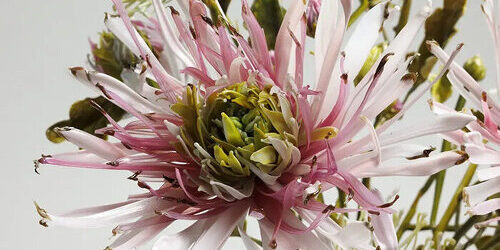
The world of floral artistry is experiencing a renaissance, with makers transforming unconventional materials into stunning representations of flowers. From hand-crafted beads to intricately shaped clay, artisans are redefining how we perceive flower artistry, providing alternatives to traditional blooms that are often ephemeral.
Background and context
Floral art has a long and storied tradition, with origins tracing back to ancient civilizations that utilized natural materials to create decorative items. Historically, flowers have symbolized various sentiments, serving as gifts, tokens of love, and decor. However, the rise of artificial flowers in the 20th century marked a significant shift, offering a way to preserve beauty without the constraints of seasonal blooms.
In recent years, the trend has moved toward more sustainable and innovative solutions as consumers and artisans alike seek to reduce environmental impact and embrace sustainability. This has led to the exploration of various materials that not only mimic the delicate nature of flowers but also offer unique textures and colors. Beads, clay, and even paper are being skillfully manipulated to create floral designs that are both aesthetically pleasing and durable.
Latest developments
As interest in non-traditional floral creations has surged, local artisans and makers are banding together to establish communities that focus on craftsmanship and education. Workshops and classes are increasingly popular, where participants can learn to create floral arrangements using beads, clay, wood, and paper. These sessions often emphasize the importance of creativity while stressing the need for environmentally friendly practices.
In tandem with this artistic movement, online marketplaces and social media platforms have provided an essential space for artists to showcase their work and connect with larger audiences. Influencers are actively promoting handmade floral art, further propelling the trend. For instance, platforms like Instagram have become hubs for visual storytelling, where creators share their processes, from the initial concept to the finished product. The engagement often inspires others to try their hand at crafting their own floral pieces.
Moreover, collaborative projects between artisans and local businesses have emerged, leading to innovative displays and pop-up events. These initiatives allow makers to showcase their work and attract potential customers while fostering a sense of community around artistic pursuits.
What to watch next
As the floral art movement continues to evolve, key trends worth observing include the increase in eco-friendly workshops and the rise of hybrid materials that combine traditional methods with modern technologies. For example, some creators are integrating 3D printing into their crafts, allowing for intricate designs that would be labor-intensive by hand.
Additionally, the future will likely see a greater emphasis on personal storytelling through flower art. Many artisans are looking to incorporate elements of individual narratives in their creations, offering customers not just a product but a piece of art with meaning. As social awareness grows around sustainability and artistry, it will be intriguing to monitor how these themes influence the development of floral craftsmanship.
The journey from traditional to contemporary flower-making reflects a broader movement towards personalization and environmental consciousness, showing that creativity continues to bloom in unexpected ways.
Original Source: https://www.designboom.com/art/beads-clay-paper-wood-makers-ways-flowers-bloom/