
The latest turn
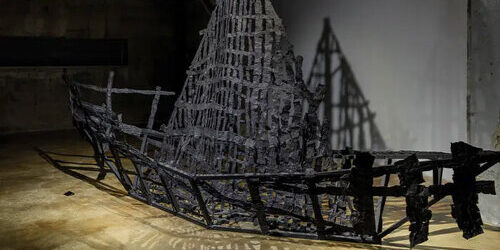
In a bold convergence of art, history, and memory, a unique installation using steel and hanji—a traditional Korean paper—unveiled inside a Cold War bunker in Seoul. This installation, titled “Porous Memories,” explores the complex emotional landscapes shaped during a time of political and social division. The exhibition opened to the public last weekend, attracting significant attention from both locals and international visitors, sparking renewed interest in the narratives embedded within these historical spaces.
How the story got here
The bunker, originally built in the 1970s as a refuge during potential military conflicts, has long remained an emblem of Korea’s divided past. For decades, it lay dormant, a geographical reminder of tensions that once loomed heavy over the nation. The recent revitalization of this site into a space for artistic expression reflects a wider societal shift towards confronting and understanding the pain points of history.
Artists Ji-Woo Lee and Hyun-Sook Choi have taken this opportunity to intertwine materials that hold deep cultural significance—steel, representing strength and resilience, and hanji, symbolizing tradition and fragility. Their collaboration embodies a poignant duality, illustrating how memory can be both robust and delicate. Ji-Woo Lee stated, “By creating this vessel of memory, we invite viewers to interact with their own recollections, encouraging a dialogue about loss and resilience.”
The installation features large, hollow structures crafted from aged steel and delicately layered hanji, designed to echo the echoes of conversations held within the bunker’s cold concrete walls decades ago. As light filters through the gaps in the hanji, it casts intricate shadows that manipulate perceptions and evoke a sense of nostalgia, inviting visitors to ponder their own histories amidst a backdrop of collective trauma.
Next expected developments
As the exhibition gains momentum, discussions are anticipated regarding the future of the bunker and the potential for more installations that reflect Korea’s ongoing journey toward reconciliation and unity. Local government officials have indicated interest in expanding the cultural programming within the bunker, potentially allowing for similar projects that engage with the country’s past and present.
In the coming months, planners will consider hosting workshops and panel discussions that explore themes introduced through “Porous Memories.” These events could further enrich public understanding and dialogue surrounding the Cold War’s impact on contemporary identity. As conversations about history and healing continue, the bunker stands poised to become a key site for cultural expression and remembrance, fostering a deeper appreciation for Korea’s nuanced narratives in the years ahead.
Original Source: https://www.designboom.com/art/steel-hanji-porous-vessel-memory-cold-war-bunker-seoul-checksy-choi-eotieum-the-ply-of-longing/