
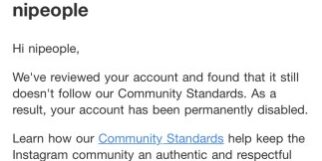
Emma Shapiro, a prominent contemporary artist, has officially launched a legal challenge against Instagram following the platform’s decision to suspend her account, citing censorship as the basis for her action. The move has ignited a flurry of reactions across the art community and social media landscape, highlighting the growing tension between artists and online platforms over content moderation policies.
Immediate reaction
Since the announcement of her legal action, social media users and fellow artists have rallied behind Shapiro, voicing concerns over digital censorship and the implications for artistic freedom. Many have taken to platforms such as Twitter and Facebook to share their support, using hashtags like #FreeEmma to amplify their messages.
Critics argue that Instagram’s algorithm and content moderation system disproportionately affect artists, particularly those who engage in provocative or non-conformist themes. “This isn’t just about Emma. It’s about any artist who must navigate a minefield of vague guidelines,” commented Sarah Martinez, an art historian and curator. “When platforms make unilateral decisions, it stifles creativity and expression.” The support for Shapiro has also included public figures in the art world, who fear that such actions may set a dangerous precedent for other artists regarding their online presence.
What triggered the move
Shapiro’s account was suspended after she posted a series of artworks that explored themes of identity and gender fluidity. The trigger for Instagram’s intervention reportedly involved specific images that allegedly violated the platform’s community standards, which prohibit nudity and explicit content. However, Shapiro’s artworks, known for their bold and challenging nature, have sparked debate about the subjective interpretation of “community standards.” In her legal filing, she argues that Instagram’s actions are not only unjust but also infringe upon her First Amendment rights to free speech.
As an influential figure in the contemporary art scene, Shapiro’s situation raises fundamental questions about who determines the boundaries of acceptable content online. Artists often rely on social media not only for publicity but also as vital platforms for engaging with their audience. Shapiro’s legal challenge aims to prompt a reevaluation of existing policies and set a new standard for how content is moderated, especially for artists pushing societal norms.
Why readers should care
The implications of Shapiro’s case extend far beyond a single artist’s struggle with a social media giant. As digital platforms become increasingly intertwined with cultural production and dissemination, the censorship of artistic work affects not just individual creators but also the broader cultural discourse. The legal proceedings may open doors for more comprehensive dialogues about online freedom of expression, particularly in creative fields.
The art community, digital rights advocates, and everyday social media users are carefully observing the developments in this case. Should Shapiro succeed, it could lead to more transparent and equitable policies on major platforms, but a setback could reinforce the status quo, discouraging artists from exploring innovative themes. The outcome may establish critical precedents for the balance between community guidelines and freedom of artistic expression in an era where online presence is crucial for creative professionals.
As the case unfolds, it promises to serve as a litmus test for how far social media companies are willing to go in their oversight of artistic expression and the commercial viability of independent artists in the digital age.
Original Source: https://www.artnews.com/art-news/news/emma-shapiro-legal-challenge-restore-instagram-account-1234794131/