
Key details
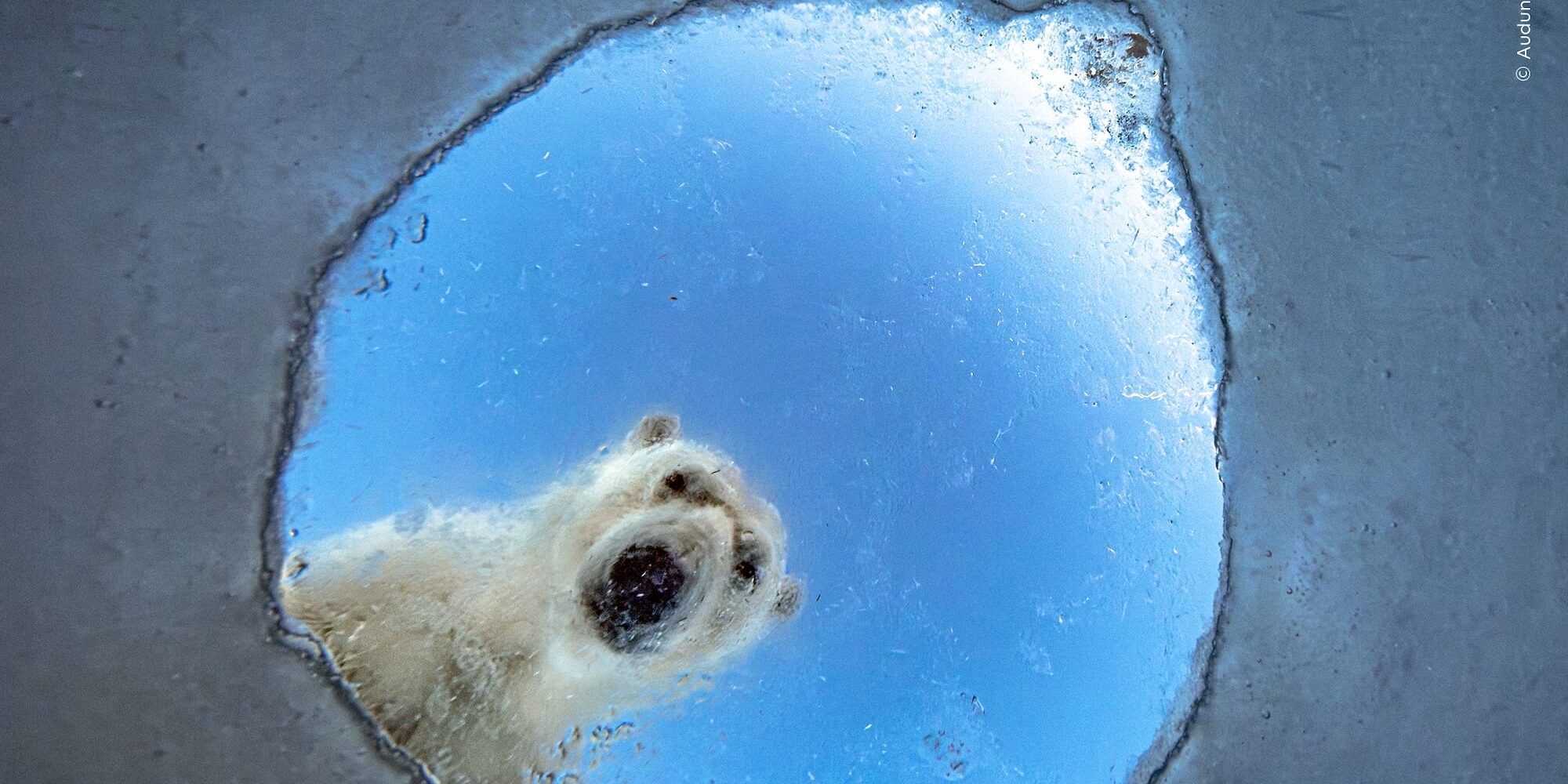
The Wildlife Photographer of the Year competition has culminated this year with a remarkable selection of just 100 images, chosen from over 65,000 entries submitted by photographers from 100 different countries. This annual event, organized by the Natural History Museum in the UK, has built a reputation as one of the most prestigious platforms for wildlife photography, showcasing the breathtaking beauty of nature alongside the pressing challenges it faces.
Why this matters
The significant reduction in the pool of entries to a mere top 100 speaks volumes about the caliber of talent captured in the competition. Each photograph is not only a testament to the skill of the photographer but also serves as a visual narrative that underscores important conservation issues. As climate change, habitat destruction, and biodiversity loss increasingly dominate global discussions, such platforms allow photographers to act as advocates for the environment, bringing critical issues to light in a compelling manner.
Moreover, the competition highlights emerging trends in wildlife photography, including increased focus on the interplay between nature and urban environments, as well as the importance of documenting lesser-known species that are often overlooked. The global reach of this competition fosters a greater understanding of wildlife and encourages a diverse range of stories to emerge, effectively broadening the conversation around wildlife conservation.
Broader picture
The emphasis on high-quality entries also reflects a broader trend within photography itself. As technology advances, the accessibility of quality cameras and editing tools has skyrocketed, leading to an influx of varying skill levels in wildlife photography. In this flooded market, competitions like Wildlife Photographer of the Year act as gatekeepers and elevating platforms, recognizing not just expert-level craftsmanship but also innovative approaches to visual storytelling.
As the competition continues to evolve, it remains vital for audiences to engage with the narratives behind the images. Each selected photograph represents not only a moment in time but also an opportunity to connect individuals with wildlife, fostering a deeper appreciation and prompting action for conservation efforts. In a world where nature is often seen through a digital lens, the importance of these artistic works grows ever more significant.
Ultimately, while the competition showcases the remarkable talents of photographers, it also serves a greater purpose. It amplifies the voices of nature, urges dialogue on pressing environmental issues, and inspires collective action for the preservation of our planet’s biodiversity.
Original Source: https://www.thisiscolossal.com/2026/08/wildlife-photographer-of-the-year-2026-finalists/