
What happened
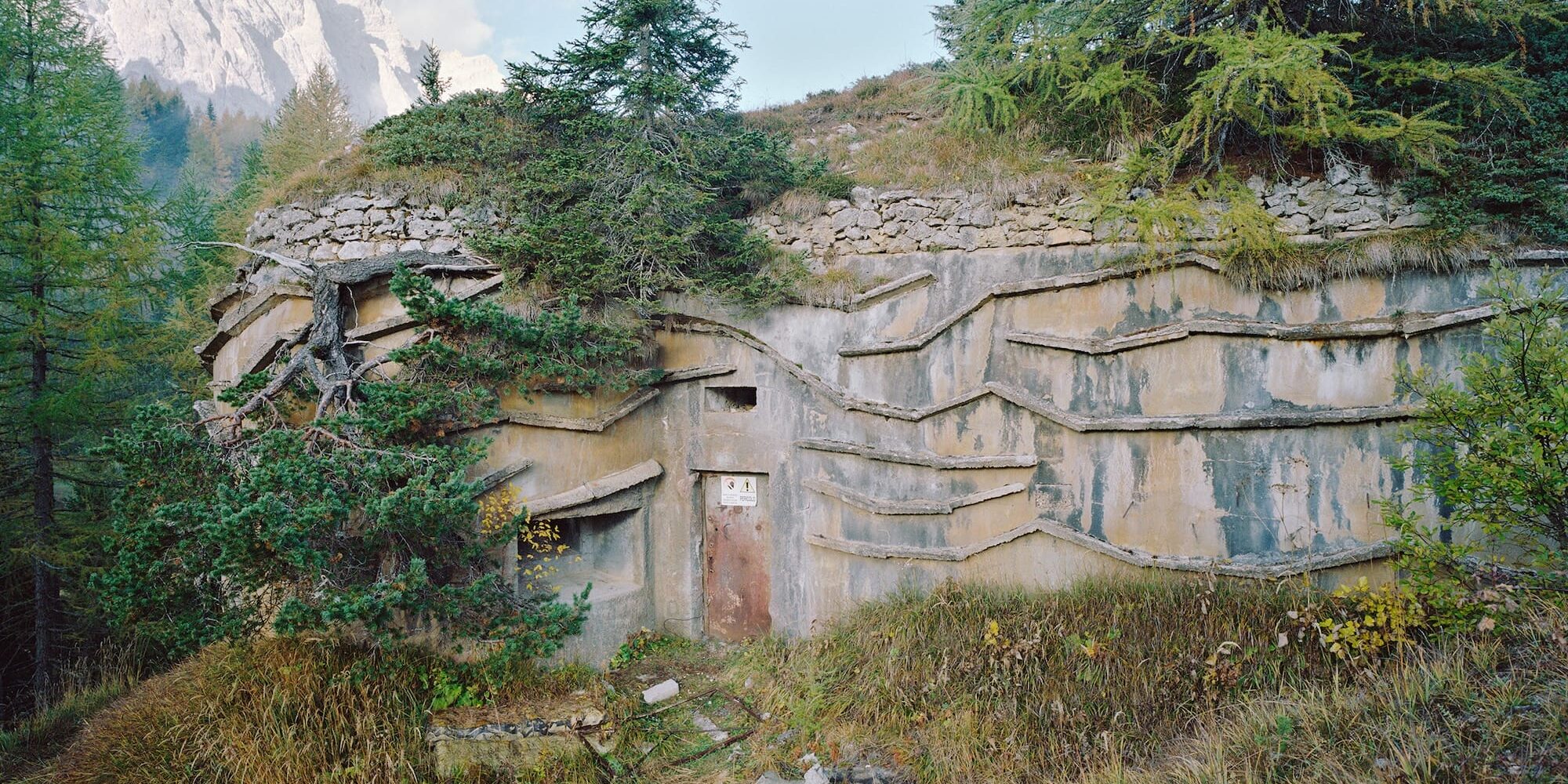
Vincenzo Pagliuca, an Italian photographer and visual artist, has turned his lens to the lesser-known remnants of World War II in South Tyrol, Italy. His latest project focuses on the area’s abandoned bunkers, scattered across the landscape like ghostly sentinels. These fortifications, built by the Italian military before the war, were part of a larger network designed for defense during a period of uncertainty.
Pagliuca’s portraits capture not only the physical structures but also the haunting stories embedded within them. Each image serves as a poignant reminder of the region’s tumultuous past. South Tyrol saw significant conflict during the war, and these bunkers tell the stories of soldiers and civilians alike, bearing silent witness to the violence and upheaval.
Through his lens, Pagliuca seeks to evoke empathy and understanding for the individuals who once occupied these spaces. He explores the chilling juxtaposition of nature reclaiming manmade structures. Moss-covered walls and rusted machinery contrast starkly against the serene backdrop of the Alps, emphasizing the fleeting nature of conflict.
What it means for readers
The implications of Pagliuca’s work reach beyond mere historical documentation. In an age where the scars of war can often feel distant or abstract, his photography provides a tangible connection to the past. The bunkers of South Tyrol become portals into a history that many may not fully understand but should acknowledge.
For readers, this project encourages reflection on the impact of war—not just on those who fought, but on entire communities and landscapes. It prompts a deeper appreciation for the complex narratives of places often overlooked in mainstream history. Moreover, as contemporary conflicts continue to unfold globally, Pagliuca’s work serves as a reminder of the lasting effects of war on human life and the environment.
Engagement with this art can lead audiences to consider the significance of preserving historical sites, and fosters dialogue about peace, memory, and the responsibility of future generations to learn from the past. The images challenge viewers to confront uncomfortable truths and to recognize the enduring shadows of violence and resilience.
What happens now
As Pagliuca’s portraits gain visibility, there are opportunities for collaboration with historians, educators, and cultural institutions. Exhibitions featuring his work can prompt discussions about the importance of preserving historical narratives. Schools and universities might incorporate his photography into curricula focused on history and human rights, encouraging students to grapple with the complexities of the past.
Moreover, the project raises questions about the future of such sites. As preservation efforts gain traction, communities have the chance to transform these bunkers into educational tools that honor those who lived through the war. By fostering local engagement, Pagliuca’s work can help ensure that the stories of the past are not forgotten.
For readers and art enthusiasts alike, engaging with the themes in Pagliuca’s work offers a practical takeaway: the importance of remembrance. In the face of a world where the echoes of conflict persist, acknowledging our history becomes essential for building a future defined by understanding and peace.
Original Source: https://www.thisiscolossal.com/2026/09/vincenzio-pagliuca-photography-bunker-book/