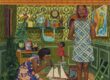

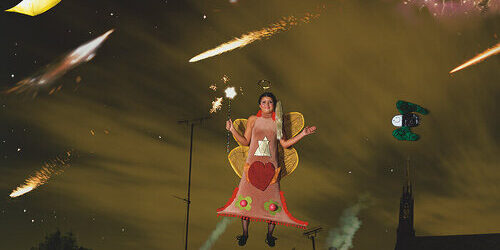
In a striking blend of fantasy and reality, photographer Yeondoo Jung presents a series that explores the juxtaposition of children’s imaginative worlds and the urban landscape of Seoul. This unique approach not only captivates viewers but also invites a deeper reflection on childhood and the everyday environment.
What happened
Yeondoo Jung, known for his inventive photographic narratives, takes us on a compelling journey into the lives of children through his series “Wonderland.” The project features photographs that bring to life the vivid illustrations found in children’s books, capturing the essence of imaginative play while immersing the viewer in the stark realities of the bustling city.
The process behind Jung’s work is innovative; he collaborates with children who provide illustrations inspired by their environments. After selecting key images from these creations, Jung then constructs real-world settings that reflect these illustrations, resulting in stunning photographs that blur the lines between fantasy and reality. For instance, a child’s drawing of a treehouse might be photographed in a local park, complete with the child interacting with it, thus creating a cohesive narrative that intertwines their creative expressions with physical locations.
What it means for readers
For readers, Jung’s work resonates beyond mere aesthetic pleasure. It presents a poignant commentary on childhood experiences within urban settings, particularly in a fast-paced metropolis like Seoul. The photographs capture not just the beauty of imagination but also its emergence from, and contrast with, the surrounding environment. This dichotomy may provoke viewers to reconsider the significance of play and creativity amid the challenges posed by urban life.
Moreover, the series highlights the essential role of imaginative play in childhood development. Jung’s portrayal encourages readers to reflect on their own childhood experiences, fostering a sense of nostalgia while challenging them to think critically about how modern cities can nurture—or stifle—imagination. The photographs serve as reminders that the dreams and aspirations of children are often rooted in the spaces they inhabit, even as those spaces can feel limiting.
What happens now
Jung’s series continues to gain attention both locally and internationally, leading to discussions about the importance of incorporating imaginative play into the lives of children in urban settings. As the conversation around the value of creativity in education evolves, works like “Wonderland” may influence how cities approach child-friendly environments. This could lead to initiatives focused on creating more playful spaces in urban areas, fostering creativity, and recognizing the significance of diverse imaginative expressions.
For readers, engaging with Jung’s work can spark conversations about the role of art in depicting the complex realities of urban life and childhood. This series not only showcases the power of photography in storytelling but also highlights the urgent need for society to prioritize the imaginative needs of children within increasingly concrete landscapes. Ultimately, Jung’s project offers a pathway to re-envisioning how cities can support the dreams and play of future generations.
Original Source: https://www.designboom.com/art/childrens-illustrated-worlds-realities-seoul-yeondoo-jung-photographs-interview/