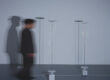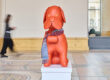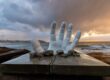

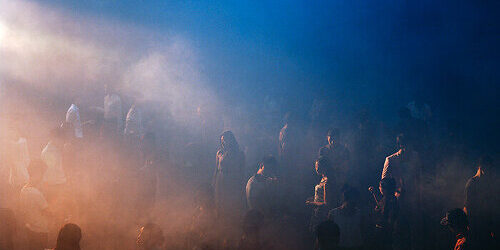
Chen Wei, a prominent figure in contemporary art, is captivating audiences with a unique synthesis of dance and visual art. Utilizing the dance floor as a medium, he explores themes of ecstasy and imagination, creating spaces that invite deep engagement and sensory exploration. This intersection of art forms highlights how movement and visual stimuli can elicit profound emotional responses.
Key details
Wei’s work often transforms traditional perceptions of dance, inviting participants into environments where emotional release meets artistic expression. His current project features innovative choreography interwoven with striking visuals, creating an immersive experience that challenges viewers to confront their emotional landscapes. Each performance is designed to stimulate the senses, fostering an atmosphere conducive to collective expression and personal reflection.
In these environments, the dance floor becomes more than just a performance space; it evolves into a canvas where movement and visual art meld into an all-encompassing narrative. The careful choreography blended with Wei’s intricate visual designs fosters a sense of freedom that encourages participants and viewers alike to lose themselves in the experience, collapsing the boundaries between the performer and the audience.
Why this matters
This approach to merging dance and visual arts is notable for its impact on both artists and audiences, signaling a shift toward more interactive and participatory forms of art. In an age where digital distractions frequently inhibit genuine human connection, Wei’s work acts as a counter to this trend, encouraging immersive engagement that speaks to the shared human experience of joy, pain, and everything in between.
Moreover, Wei’s exploration of imagined ecstasy serves as a commentary on contemporary culture, reflecting societal desires for connection and transcendence in a disjointed world. In a society grappling with feelings of isolation and disconnection, such performances provide an alternative space for community building and personal catharsis, re-establishing the social role of the arts in fostering emotional healing.
Broader picture
Chen Wei’s innovative blending of art forms is emblematic of a growing trend within contemporary art that values experiential participation over passive consumption. By redefining the role of the viewer, Wei invites audiences to engage not just as passive observers but as active participants in the exploration of human emotion and communal experience. This evolution in art signifies a broader recognition of the critical role that ecstatic experiences play in cultural discourse and individual well-being.
In a landscape increasingly defined by transient interactions, Wei’s approach reaffirms the power of art to cultivate lasting connections. As viewers navigate the tension between the real and imagined on the dance floor, they confront their desires, fears, and aspirations. Ultimately, this creates an environment ripe for transformation and revelation, illustrating the enduring power of artistic expression to resonate deeply within the human experience.
Original Source: https://www.designboom.com/art/chen-wei-dance-floor-stage-for-imagined-ecstasy-guest-essay/