

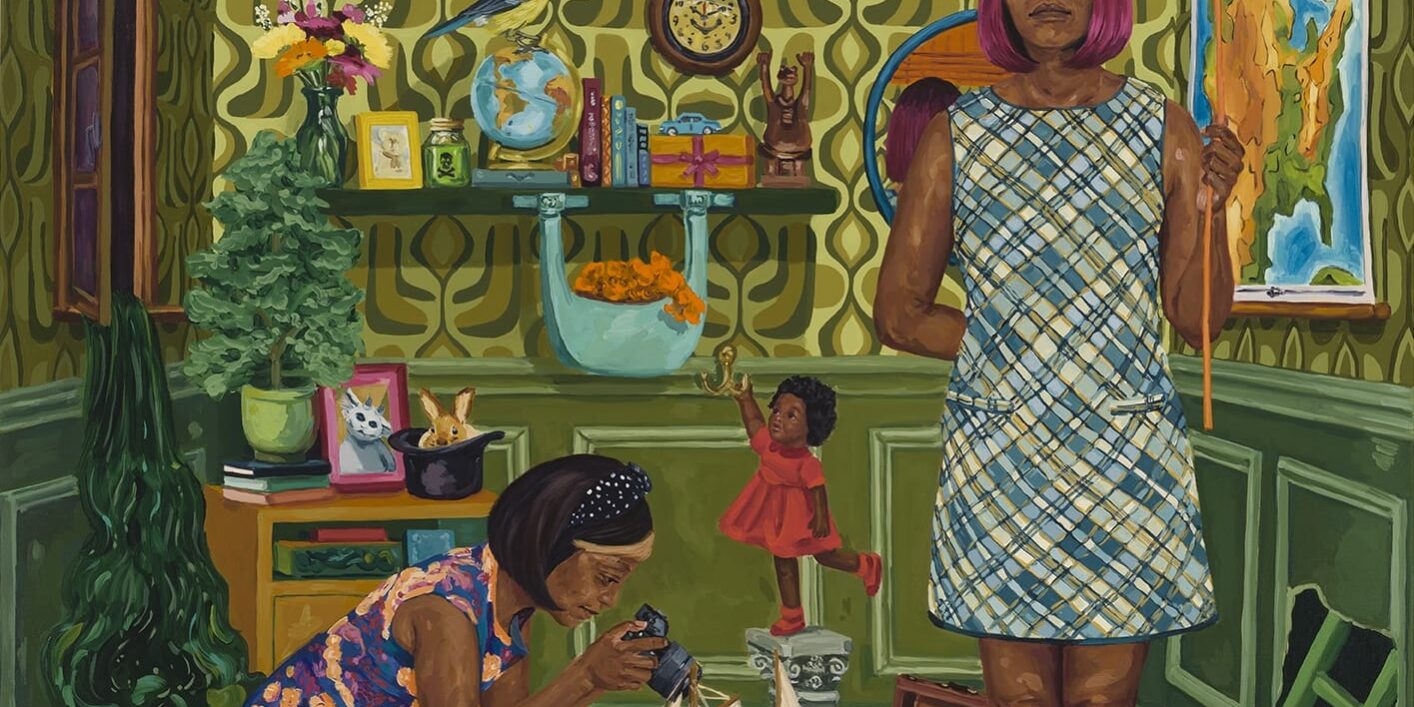
Wangari Mathenge’s vibrant artworks are not just visual experiences; they are narratives that encapsulate a pivotal era in Kenya’s history—the 1960s. Through her paintings, she offers a lens into the social and political emotions that defined a nation undergoing profound changes at the cusp of independence.
Background and context
The 1960s marked a groundbreaking period for Kenya, transitioning from a British colony to an independent nation in 1963. This transformation saw the emergence of a new Kenyan identity, characterized by a blend of traditional and modern influences. Artists from this time began to infuse their work with representations of tribal heritage, communal life, and the struggle for autonomy. Mathenge, born in 1935, grew up during this transitional phase and was influenced by the vibrant colors and patterns of her Kikuyu heritage.
Mathenge’s style combines abstraction with figurative elements, mirroring how many Kenyans felt about their new identity. Her use of bright colors evokes the lush landscapes of her homeland while her themes often explore concepts of unity, pride, and resilience. Much of her early work drew from the social changes occurring around her—women stepping into new roles, urban migration, and the redefinition of cultural norms. These aspects not only reflect the national paradigm shift but invite viewers to reflect on their own connections to the evolving Kenyan society.
Latest developments
In recent years, Mathenge’s work has gained renewed attention as part of a broader renaissance of African art on the global stage. A recent exhibition, “Rooted in Color,” showcased her pieces alongside works from other notable African artists who emerged in the 1960s. The exhibition highlighted not just the visual appeal but the historical and cultural dialogues that artworks like Mathenge’s initiate regarding independence and heritage. Art critics have praised her ability to convey powerful social themes, underscoring the continuing relevance of her work in contemporary discussions about identity and belonging.
Moreover, Mathenge has been increasingly invited to participate in international art fairs and collaborations. Collectors interested in early African contemporary art recognize her as a significant figure, elevating her status within the art community. The conversations around her work have also expanded into educational contexts, where her paintings serve as tools for teaching about Kenyan history, the independence movement, and women’s roles in society.
What to watch next
As the art world continues to celebrate African artists, attention will likely turn to Mathenge’s evolving body of work. Her recent collaborations with younger artists and participation in art residency programs suggest she is poised to explore new themes while remaining rooted in her historical context. Observers are excited to see how she might draw from contemporary social issues and the ongoing narrative of identity in a modern Kenya.
The engagement with her past influences alongside her adaptations to present realities will shape not only her future work but also the discourse surrounding African art as a whole. As Mathenge continues to navigate the intricate tapestry of her cultural heritage, her upcoming exhibitions and projects promise to provide fresh insights into Kenya’s journey from the struggle for independence to the complexities of modern identity.
Original Source: https://www.thisiscolossal.com/2026/10/wangari-mathenge-remembering-paintings-kenya-1960s/